
What Homeowners Should Know Before Replacing Garage Door Hardware
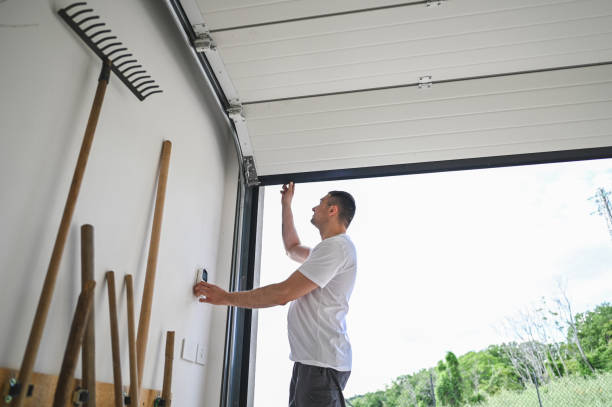
Garage door hardware plays an important role in the safety, stability, and everyday operation of your garage door. Hinges, rollers, brackets, cables, springs, and tracks work together to help the door open and close smoothly. When one or more of these components become worn or damaged, you may notice unusual noises, uneven movement, or difficulty operating the door.
Replacing worn hardware can help restore proper operation and prevent additional damage. However, homeowners should understand which parts need attention, whether the existing components are compatible with replacement hardware, and when professional service is the better option. Before starting a repair, it is worth understanding how garage door hardware works and what to consider when choosing replacement parts.
Understanding the Different Types of Garage Door Hardware
A residential garage door contains several connected components that support its movement and help carry its weight. Each part has a specific function, and damage to one component can affect the performance of the entire system.
Hinges: Hinges connect the individual door panels and allow them to bend as the door travels along the curved tracks. Loose, bent, or cracked hinges can cause excessive movement, noise, and stress on the panels.
Rollers: Rollers move through the tracks as the door opens and closes. Worn or damaged rollers can produce grinding sounds, cause jerky movement, or prevent the door from traveling smoothly.
Tracks and brackets: Tracks guide the rollers, while brackets secure the tracks and other components in their proper positions. Bent tracks or loose mounting hardware can affect alignment and make the door unsafe to operate.
Springs and cables: Springs counterbalance the weight of the door, while lifting cables help raise and lower it. These components operate under significant tension and require careful handling by a trained garage door technician.
Weather seals and locks: Bottom seals help limit drafts, moisture, dust, and debris entering the garage. Locks and related hardware help secure the door when it is closed.
Understanding these components helps homeowners describe problems accurately and make informed decisions about repairs.
Signs Your Garage Door Hardware Needs Replacement
Garage door hardware does not always fail suddenly. In many cases, small changes in performance indicate that a component is wearing out. Identifying these warning signs early can help prevent further damage.
One common sign is an increase in operating noise. Squeaking, grinding, rattling, or popping sounds may indicate worn rollers, loose fasteners, damaged hinges, or alignment problems.
Another warning sign is uneven movement. If one side of the door appears lower than the other, a cable, roller, track, or spring problem may be responsible. A door that shakes, catches, or moves in short bursts should also be inspected.
Visible rust, cracks, bent brackets, frayed cables, and loose hardware deserve attention. Homeowners should also watch for a door that feels unusually heavy or causes the opener to struggle. These symptoms may point to a problem beyond the hardware that is immediately visible.
Avoid forcing a door that appears crooked, has a broken spring, or has come off its track. Stop using it and arrange a professional inspection.
Should You Replace One Part or Multiple Components?
The right replacement approach depends on the condition of the hardware and the age of the garage door. If a single roller or hinge has failed while the surrounding components remain in good condition, replacing the damaged part may be sufficient.
However, several worn components can indicate a broader maintenance issue. For example, replacing a damaged roller without addressing a misaligned track may not solve the underlying problem. Similarly, installing new hinges on a door with weakened panel attachment points may not provide a lasting repair.
A technician can inspect the complete system and identify the cause of the failure. This helps homeowners avoid paying for repeated repairs when several related components need attention.
The goal is not necessarily to replace every piece of hardware. It is to ensure that the parts work together correctly and that the door can operate safely.
Choosing Compatible Replacement Hardware
Not all garage door hardware is interchangeable. Components vary according to the door’s weight, dimensions, construction, manufacturer, and operating system.
When selecting replacement rollers, consider the roller diameter, stem dimensions, bearing design, and track compatibility. Hinges also come in different sizes and configurations, so choosing the correct type is important for proper panel movement.
Brackets and fasteners must match the door’s design and attachment requirements. Using an unsuitable component can affect alignment or place additional stress on the door sections.
Springs require particular care. Their dimensions and specifications must match the door’s weight and counterbalance requirements. Installing an incorrectly rated spring can make the door difficult to operate and place excessive strain on the opener.
Homeowners should avoid choosing parts based only on appearance or price. Confirming compatibility before purchasing replacement hardware can help prevent installation problems and unnecessary expenses.
Do You Need New Tracks When Replacing Garage Door Hardware?
Tracks are an important consideration when replacing rollers, hinges, or other moving components. If the existing tracks are straight, securely mounted, and compatible with the replacement parts, they may not need to be replaced.
However, tracks that are bent, heavily corroded, loose, or incorrectly aligned may require repair or replacement. Installing new rollers on damaged tracks will not necessarily correct the underlying issue.
Homeowners planning a complete door upgrade should also consider whether the existing tracks are suitable for the new door. Read Can You Install a New Garage Door on Old Tracks? to understand why track compatibility matters before combining an existing track system with a new door.
When a complete door replacement is planned, professional measurements and an inspection can help determine which components should be retained and which should be replaced. The final decision should account for the manufacturer’s installation requirements and the condition of the existing system.
Repairing Hardware or Replacing the Entire Garage Door
Replacing individual hardware components is often a practical option when the door panels remain structurally sound and the problem is limited to a few parts.
For example, a door with worn rollers, loose hinges, or a damaged weather seal may not require a complete replacement. Repairing these components can improve operation without the cost of installing a new door.
A full replacement may be worth considering when the door has extensive structural damage, repeated mechanical problems, significant corrosion, or outdated safety features. Homeowners may also choose a replacement when they want improved insulation, a different appearance, or a door designed to meet current local building requirements.
For more information about upgrading an existing system, explore Garage Door Installation and Replacement. A professional assessment can help you compare the condition of your current door with the benefits and requirements of a replacement.
The best decision depends on the extent of the damage, the condition of the existing door, compatibility requirements, and the total cost of the proposed work.
Why Professional Installation Matters
Some garage door maintenance tasks, such as keeping the exterior clean and performing a visual inspection, are manageable for homeowners. Replacing hardware that supports a heavy moving door is a different matter.
Springs and lifting cables store considerable energy. Incorrect handling can cause serious injuries or allow the door to fall unexpectedly. Bottom brackets, spring assemblies, and cable connections should not be loosened or removed by inexperienced individuals.
Even components that appear simple to replace can require precise adjustment. Rollers must travel correctly through the tracks, hinges must attach securely, and mounting hardware must be appropriate for the door.
A qualified technician can inspect the complete assembly, identify worn components, install compatible replacement parts, and test the door’s balance and safety features. This approach helps address the cause of the problem rather than simply replacing the part that appears damaged.
Professional installation is especially valuable when the door is off-track, a spring has broken, a cable is frayed, or the opener is struggling to lift the door.
What Homeowners Should Ask Before Approving the Work
Before authorizing a hardware replacement, ask the technician to explain which parts are damaged and why they need attention. Understanding the cause helps you distinguish necessary repairs from optional upgrades.
Request an itemized estimate that identifies the replacement components, labor, and any additional adjustments. Ask whether the new parts are compatible with your existing door and whether the work includes checking track alignment, door balance, and safety features.
It is also helpful to ask about parts warranties, workmanship coverage, and recommended maintenance. If multiple components are worn, request an explanation of whether replacing them together offers a practical advantage over completing separate repairs.
These questions make it easier to compare estimates and understand the expected results before work begins.
Maintaining Your Garage Door Hardware After Replacement
Proper maintenance can help extend the service life of replacement components. Periodically inspect the door from a safe distance for visible rust, loose-looking hardware, worn seals, and unusual movement.
Keep the tracks clear of debris, but do not apply lubricant inside them unless the manufacturer specifically recommends it. Use a garage-door-appropriate lubricant on the components identified in the manufacturer’s maintenance instructions.
Listen for new noises and pay attention to changes in how the door moves. Addressing these issues early can help prevent additional wear.
Do not tighten or adjust spring assemblies, lifting cables, or bottom brackets yourself. If you notice damage or suspect that the door is out of balance, stop operating it and contact a professional.
Garage Door Hardware Replacement in Doral, FL
Homeowners in Doral, Florida, should pay attention to hardware condition because heat, humidity, moisture, and coastal environmental conditions can contribute to corrosion and wear. Regular visual checks and timely repairs can help keep a garage door operating as intended.
If your door has become noisy, moves unevenly, or shows signs of damaged hardware, a professional inspection can help determine whether a specific component needs replacement or whether the system requires more extensive work.
For location-specific information, visit Ariel Garage Door Services’ Doral, FL service area page. Homeowners can explore the available services and seek guidance on the appropriate repair or replacement options for their garage door.
Conclusion
Replacing garage door hardware is an important part of maintaining a safe and functional garage door system. Before purchasing replacement parts, homeowners should identify the problem, confirm component compatibility, evaluate the condition of the tracks and panels, and consider whether a targeted repair or complete replacement makes more sense.
Choosing suitable hardware and ensuring proper installation can help reduce operating problems and unnecessary strain on connected components. Routine inspections and timely professional service also help identify potential issues before they become more serious.
When springs, cables, brackets, or other load-bearing components are damaged, professional assistance is the safest approach. With the right assessment and properly installed parts, homeowners can make informed decisions about maintaining their garage doors and keeping them operating smoothly.