
Thread Lift in London: How Is the Desired Facial Contour Discussed Before Treatment?
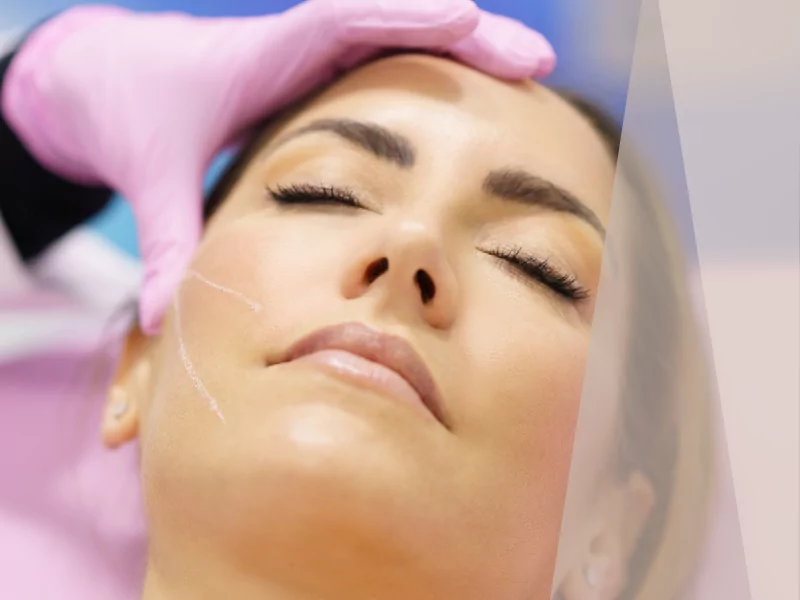 Facial aesthetics is not simply about reducing visible signs of ageing. For many people, the goal is to maintain a refreshed appearance while preserving the features that make their face unique. Changes in cheek definition, jawline shape, and skin firmness can influence how the face looks over time. A thread lift may be considered by individuals seeking a subtle lifting effect without undergoing traditional surgical facial lifting. However, achieving a result that complements natural facial proportions begins with a detailed consultation.
When considering a Thread Lift in London, discussing the desired facial contour is an important part of treatment planning. The consultation allows the practitioner to understand which areas concern the patient, what kind of improvement they hope to achieve, and whether a thread-based procedure is suitable for their facial anatomy and expectations. Rather than focusing on a single feature in isolation, the discussion considers how different areas of the face work together to create balance.
At Bodyvie Clinic, understanding the patient’s aesthetic preferences provides a foundation for an individualised treatment discussion. Exploring the desired outcome, assessing facial structure, and agreeing on realistic goals help establish a clear approach before any treatment decisions are made.
Why Is Facial Contour Discussed Before a Thread Lift?
Facial contour describes the overall shape and definition of the face, including the cheeks, lower face, jawline, and the transitions between these areas. As the face changes over time, skin laxity and shifts in underlying soft tissue can affect these contours. Some individuals notice reduced cheek definition, while others are more concerned about the appearance of the lower face.
A thread lift consultation helps identify the changes that matter most to the patient. Two people may request the same procedure but have very different aesthetic priorities. One might want a more defined jawline, while another may be interested in subtle support around the mid-face.
Discussing these preferences before treatment helps establish a shared understanding of the intended outcome. It also gives the practitioner an opportunity to explain what a thread lift may realistically achieve and whether another approach could be more appropriate.
The objective is not to create an entirely different face. Instead, treatment planning should consider how any proposed changes could complement existing facial features and maintain a natural-looking appearance.
How Does the Consultation Begin?
The consultation usually begins with a conversation about the patient’s concerns, expectations, and reasons for considering facial rejuvenation. This discussion provides context for the subsequent assessment and helps distinguish between a specific concern and a broader desire for facial refreshment.
Patients may describe their concerns in everyday language rather than using clinical terminology. For example, someone might feel that their cheeks appear less lifted than before, or that their jawline has become less distinct. Another person may simply want their face to look more defined in photographs.
The practitioner can ask follow-up questions to clarify these observations. They may explore when the changes became noticeable, which facial areas attract the most attention, and whether the patient prefers a very subtle result or a more noticeable change within appropriate limits.
This stage is also an opportunity to discuss previous aesthetic treatments, relevant medical history, and current skincare or treatment routines. Such information can help the practitioner understand the patient’s circumstances before considering suitability.
A thorough initial discussion ensures that the proposed treatment is based on the individual’s concerns rather than a standardised idea of facial beauty.
Identifying the Facial Areas That Matter Most
Mid-Face and Cheek Definition
The mid-face contributes to the overall appearance of facial fullness, support, and proportion. Changes in this area can influence how the cheeks look and how they transition into the lower face.
During a consultation, the patient may explain that they would like their cheeks to appear more lifted or their facial outline to look less tired. The practitioner can assess the area in relation to the surrounding features and discuss whether a thread lift could offer a suitable degree of support.
It is important to recognise that a thread lift is not designed to replace lost facial volume in every situation. If reduced volume is the main concern, the practitioner may explain why another treatment approach could be more appropriate.
Jawline and Lower-Face Definition
A clearly defined jawline is a common aesthetic goal, particularly for people who feel that their lower-face contour has become softer over time.
The consultation can explore whether the concern relates to skin laxity, the natural shape of the jaw, changes in facial volume, or a combination of factors. Understanding the underlying concern helps determine whether a thread lift is likely to address the patient’s priorities.
The practitioner may also explain that jawline definition depends on several anatomical factors. A thread-based treatment cannot change the underlying bone structure or guarantee a sharply defined contour in every individual.
Overall Facial Balance
Facial contour should be considered as a whole rather than as a collection of separate treatment areas. The cheeks, temples, chin, and jawline all contribute to the overall impression of facial balance.
A patient may initially focus on one area but discover during the consultation that their desired outcome involves the relationship between several features. Discussing these connections can help refine the treatment goal.
For example, a request for a more defined lower face may involve considering the existing cheek shape and natural jawline rather than concentrating exclusively on the area below the cheeks.
The aim is to understand the patient’s preferred appearance while respecting their natural proportions.
How Are Personal Aesthetic Preferences Translated Into a Treatment Plan?
People often describe their desired results using terms such as refreshed, lifted, balanced, or defined. Although these descriptions communicate personal preferences, they can mean different things to different individuals.
The practitioner therefore needs to clarify what each expression means to the patient. Someone asking for a refreshed appearance may want only a subtle improvement in the mid-face, whereas another person may be particularly interested in the visible outline of the jaw.
Photographs can sometimes support this conversation by helping patients explain their preferences. However, reference images should be treated as a way to communicate general aesthetic goals, not as a guarantee of an identical result. Differences in facial anatomy, skin quality, and tissue structure mean that outcomes cannot be copied exactly from another person.
During a PDO Thread Lift London consultation, the discussion should establish which improvements are realistic and which expectations may not be achievable through threads alone.
A suitable plan takes into account the patient’s preferences, the practitioner’s clinical assessment, and the limitations of the procedure. It should also allow room for an honest conversation if the requested outcome is not consistent with the patient’s anatomy or would require a different approach.
What Role Does Facial Assessment Play?
A facial assessment provides the clinical context for the aesthetic discussion. The practitioner examines the areas of concern and considers factors that may influence treatment suitability.
These may include skin quality, the degree and distribution of skin laxity, facial symmetry, tissue support, and the relationship between the mid-face and lower face. The assessment helps establish whether the desired lifting effect is achievable with a thread-based procedure.
Facial expressions and movement may also be considered when appropriate. The face changes appearance when smiling, speaking, and resting, so understanding these variations can help the practitioner plan an outcome that complements the patient’s natural features.
The assessment is individual rather than based on a fixed template. A technique that may be appropriate for one person’s facial structure might not provide a suitable result for another.
For this reason, a Thread Lift Clinic in London should approach consultation as a process of clinical evaluation and collaborative decision-making, rather than simply selecting a procedure from a list of aesthetic concerns.
How Are Realistic Expectations Established?
Agreeing on realistic expectations is one of the most important parts of the consultation. A thread lift can provide a lifting effect in selected patients, but it does not produce the same changes as a surgical facelift.
The extent of improvement depends on individual factors, including skin laxity, facial anatomy, the treatment method, and the practitioner’s assessment. The consultation should explain what the procedure is intended to address and what it is unlikely to change.
Patients should also understand that the appearance of the result can evolve after treatment. The initial appearance may differ from the subsequent settled result, and the duration of the effect varies between individuals.
Rather than promising a specific facial shape, the practitioner should explain the likely scope of improvement and discuss whether the treatment aligns with the patient’s priorities.
This conversation helps patients make informed decisions. It also establishes a clear understanding of the proposed outcome before proceeding.
Why Is an Individualised Approach Important?
No two faces have exactly the same proportions, tissue characteristics, or aesthetic priorities. A treatment plan that focuses exclusively on achieving a popular facial shape may overlook the features that make an individual look distinctive.
An individualised approach considers the patient’s natural structure and preferred level of change. Some people may be interested in a gentle improvement that is difficult to identify as a specific treatment, while others may prioritise a particular area of facial definition.
The practitioner can discuss these preferences alongside clinical suitability, explaining where a thread lift may be useful and where its capabilities are limited.
It is equally important that patients feel comfortable asking questions and expressing uncertainty. The consultation should not create pressure to proceed. If the anticipated result does not match the patient’s goals, taking additional time to consider the options may be more appropriate.
A considered approach places patient understanding and informed choice at the centre of aesthetic treatment planning.
Questions to Ask During a Thread Lift Consultation
Preparing questions in advance can help patients make the most of their appointment. Useful questions include:
- Which facial areas are suitable for improvement with a thread lift in my case?
- What kind of contour change is realistic for my facial structure?
- How will the proposed treatment complement my existing features?
- Would another non-surgical or surgical option better address my main concern?
- What should I expect during the recovery period?
- How long might the results last, and what factors influence their duration?
- What qualifications and experience does the practitioner have with this treatment?
- What aftercare and follow-up appointments may be required?
These questions encourage an open discussion about the procedure, the expected outcome, and the practical considerations involved.
Patients should leave the consultation with a clear understanding of the proposed plan, its intended benefits, and the alternatives available to them.
Conclusion
Discussing the desired facial contour before a thread lift is an essential part of thoughtful aesthetic treatment planning. The consultation helps identify the patient’s main concerns, clarify personal preferences, and assess whether a thread-based procedure is appropriate for their facial anatomy.
By considering cheek definition, jawline shape, skin laxity, and overall facial balance, the practitioner can develop a more individualised understanding of the desired result. Clear communication also helps establish realistic expectations and distinguishes between changes that a thread lift may support and concerns that may require a different approach.
For anyone considering a Thread Lift in London, the consultation should be an opportunity to ask questions, understand the available options, and discuss an outcome that respects natural facial features. At Bodyvie Clinic, the focus of this discussion is to help patients explore their aesthetic goals in the context of a personalised clinical assessment and informed decision-making.
Frequently Asked Questions
1. What is discussed during a thread lift consultation?
The consultation typically covers the patient’s aesthetic goals, areas of concern, medical history, previous treatments, and suitability for the procedure. The practitioner also explains the expected lifting effect and discusses realistic outcomes.
2. Can a thread lift improve both cheek and jawline definition?
A thread lift may provide support and a lifting effect in selected areas, including parts of the mid-face or lower face. Suitability depends on facial anatomy, skin laxity, and the treatment method. Not every patient will benefit equally from the same approach.
3. How do I explain my desired facial contour to the practitioner?
Describe the features you would like to improve using clear, everyday language. You can explain whether your priority is cheek definition, a more visible jawline, or a generally refreshed appearance. Reference photographs may help communicate preferences, although they cannot guarantee an identical result.
4. Is a PDO thread lift suitable for everyone?
No. Suitability depends on individual anatomy, skin condition, medical history, expectations, and the type of concern being addressed. A qualified practitioner should assess these factors before recommending treatment.
5. Can a thread lift create a completely different facial shape?
A thread lift is intended to provide a lifting effect and improve selected contours, not fundamentally change the underlying facial structure. The practitioner should explain the procedure’s limitations and help establish achievable goals.
6. How long do thread lift results last?
The duration varies according to the individual, the threads used, the treatment area, and other factors. The practitioner can provide guidance based on the proposed procedure and explain that results are not permanent.
7. Should I consider other treatments if I want more facial definition?
Possibly. The most appropriate option depends on whether the concern relates to skin laxity, volume loss, underlying facial structure, or another factor. A consultation can help determine whether a thread lift or an alternative approach is better suited to your goals.
8. What should I understand before deciding on a thread lift?
You should understand the intended benefits, realistic results, available alternatives, expected recovery, aftercare requirements, and the practitioner’s assessment of your suitability. You should feel comfortable asking questions and taking time to make an informed decision.