
Thread Lift in London: How Is Facial Symmetry Considered During Consultation?
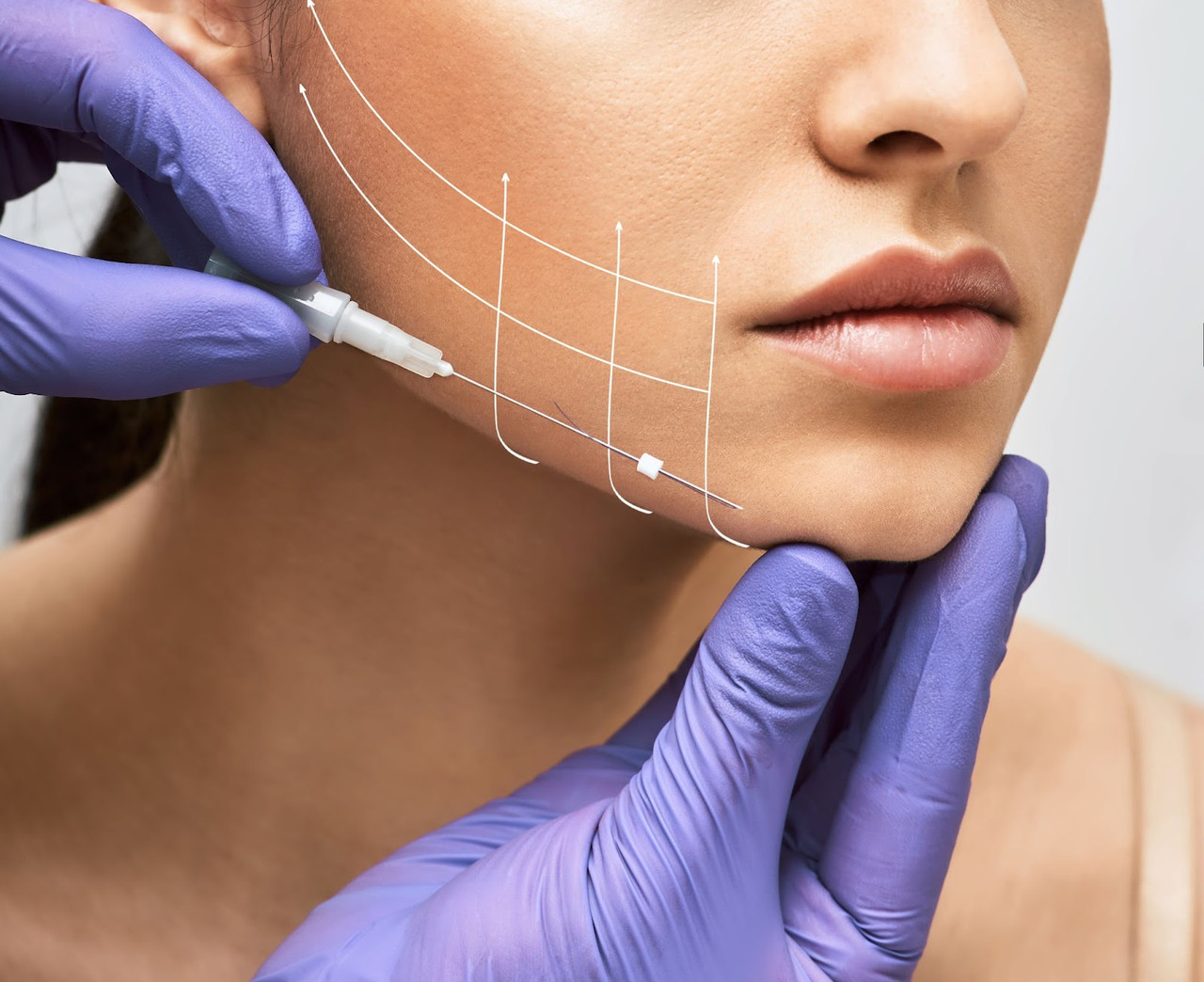
Facial symmetry is an important consideration when assessing facial appearance. Although the two sides of the face are naturally not identical, differences in cheek position, jawline definition, skin laxity, and facial contours can influence the way the face looks at rest and during expression. For this reason, symmetry is an important part of the consultation process when considering a thread lift.
Thread Lift in London is a minimally invasive treatment that uses specially designed threads placed beneath the skin to provide support and create a lifting effect in selected facial areas. The treatment approach is not necessarily identical for every patient because facial structure, tissue distribution, skin characteristics, and individual aesthetic goals vary.
At Bodyvie Clinic, a consultation can include a detailed assessment of facial symmetry and the relationship between different facial areas. Understanding the existing balance of the face helps the clinician determine which areas may be suitable for treatment and how the proposed approach can be tailored to the individual.
Why Facial Symmetry Matters During a Thread Lift Consultation
Facial symmetry does not mean that both sides of the face need to be perfectly identical. Small differences are normal and can involve the position of the eyebrows, cheeks, nasolabial folds, jawline, or chin.
When planning a thread lift, the clinician considers these natural differences before deciding which areas should be treated. One side of the face may have slightly more visible skin laxity or a different contour from the other side.
A detailed assessment helps distinguish between natural asymmetry and changes associated with facial ageing or soft-tissue movement. It also allows the clinician to understand how the patient’s concerns relate to the underlying facial structure.
During Thread Lift in London consultations, symmetry is therefore considered as part of a wider facial assessment rather than as a separate feature.
Understanding Natural Facial Asymmetry
Almost every face has some degree of natural asymmetry. The left and right sides may differ slightly in bone structure, soft tissue volume, muscle activity, or skin distribution.
These differences may become more noticeable with age as changes in skin elasticity and facial volume alter the way the tissues sit over the underlying structures.
For example, one cheek may appear slightly fuller than the other, or one side of the jawline may have a different contour. The position of the corners of the mouth can also vary between sides.
During a consultation at a Thread Lift Clinic in London, the clinician evaluates these characteristics before developing a treatment plan.
The purpose is not to eliminate every natural difference. Instead, the assessment helps establish how the existing facial structure may influence the proposed treatment and what changes may be appropriate for the individual.
Assessing the Cheeks From Both Sides
The cheeks are commonly considered when evaluating facial lifting concerns. Changes in skin firmness and soft-tissue position can affect cheek definition and the transition between the mid-face and lower face.
During the consultation, the clinician compares both cheeks to assess their position, contour, and overall balance.
The assessment may include looking at the cheeks from the front as well as from oblique and side angles. These different views can reveal variations that may not be obvious when looking directly at the face.
The clinician also considers how the cheeks relate to surrounding structures, including the nose, lower eyelids, nasolabial area, and jawline.
For patients considering PDO Thread Lift London, these observations can help determine whether thread treatment may be suitable for selected areas and how the treatment could be planned around the patient’s existing facial proportions.
Evaluating the Jawline and Lower Face
The jawline can contribute significantly to the appearance of facial balance. Changes in skin firmness or soft-tissue position around the lower face can affect the definition of the jaw.
During a thread lift consultation, the clinician examines the jawline on both sides and considers whether there are differences in contour or skin laxity.
The assessment may also include the area beneath the chin because the chin, jawline, and upper neck form a connected visual transition.
Looking at these areas together can help the clinician understand whether the patient’s concern is localised to the jawline or involves a broader area of the lower face.
If thread treatment is considered appropriate, the clinician can identify the areas where support may be relevant based on the individual’s anatomy and treatment goals.
Considering the Nasolabial and Lower Facial Areas
Facial symmetry can also be assessed around the nasolabial folds and lower facial contours. These areas may appear different from one side to the other because of natural facial structure, muscle movement, and changes in soft-tissue position.
The clinician observes whether the folds are similar in depth and position and how they relate to the cheeks and mouth.
A thread lift is not simply planned according to the most visible line or fold. Instead, the clinician considers the broader facial structure and the direction of tissue movement.
This approach helps establish whether the patient’s concern is related primarily to skin laxity, soft-tissue position, facial volume, or a combination of characteristics.
Understanding these factors is important when discussing what a thread lift may be able to address.
Examining Facial Proportions
Facial proportions provide important context when assessing symmetry. The relationship between the forehead, eyes, nose, cheeks, mouth, chin, and jawline contributes to the overall appearance of the face.
A treatment that changes one area can influence how adjacent areas appear. Therefore, the clinician evaluates the face as a whole rather than focusing exclusively on one feature.
For example, a difference in cheek position may influence how the lower face appears, while the projection of the chin can affect the perceived definition of the jawline.
During Thread Lift in London consultations, these relationships can be discussed so that the treatment plan reflects the patient’s overall facial structure.
The goal is to establish a balanced approach that considers the patient’s natural proportions and the areas they would like to improve.
Assessing Facial Movement and Expression
Facial symmetry can look different when the face is relaxed compared with when the patient smiles, talks, or makes other expressions.
Muscle activity can influence the position of the cheeks, corners of the mouth, and lower facial tissues. The clinician may therefore observe the face both at rest and during normal facial movement.
This can provide additional information about how the tissues behave and whether differences between the two sides are static or dynamic.
Understanding facial movement can be useful when discussing thread lift planning because the treatment area needs to be considered in relation to natural facial expression.
The consultation may include simple facial movements so the clinician can assess how the skin and soft tissues change with expression.
Using Different Angles to Evaluate Symmetry
A front-facing view provides useful information about general facial balance, but it does not show every aspect of facial contour.
The clinician may examine the face from several angles, including the front, profile, and oblique views. These perspectives help reveal differences in cheek projection, jawline definition, and the transition between facial areas.
For example, a subtle difference in cheek position may be more apparent from an angled view than from the front.
Photographs may also be taken as part of the consultation. They can provide a record of the patient’s appearance and help support discussions about facial proportions and symmetry.
The purpose of reviewing different views is to understand the patient’s anatomy more comprehensively and develop treatment goals that correspond with their individual facial structure.
How Symmetry Influences Treatment Planning
Once the facial assessment has been completed, the clinician considers how the findings relate to the patient’s desired outcome.
The treatment plan may take into account differences in tissue position, skin laxity, facial contour, and the relationship between the two sides of the face.
It does not necessarily mean that exactly the same treatment must be performed on both sides. The approach may be adapted according to the individual assessment.
The clinician also considers which areas are most important to the patient. Some individuals may be primarily concerned with the cheeks, while others may focus on the jawline or lower face.
By combining the patient’s priorities with the clinical assessment, the treatment plan can be developed around the individual’s facial characteristics.
Discussing Expectations During the Consultation
Clear communication is an important part of thread lift planning. Patients may have different expectations about how much their facial contours can change and which features can be addressed.
During the consultation, the clinician can explain which concerns may be related to skin laxity or soft-tissue position and which may be influenced by other factors.
The discussion can also cover the areas that may be treated, the intended direction of support, and how the proposed approach relates to the patient’s existing facial structure.
A realistic understanding of the treatment objectives helps ensure that the plan reflects what the patient wants to achieve while remaining consistent with their anatomy.
How PDO Threads Fit Into Personalised Treatment Planning
PDO threads are absorbable medical threads that may be used in selected facial areas to provide support and create a lifting effect.
The number, positioning, and direction of threads depend on the treatment area and the patient’s individual anatomy. The clinician determines these factors during the consultation.
For some patients, the focus may be on the lower face, while others may have concerns involving the cheeks or jawline.
The use of PDO threads should therefore be considered as part of an individual treatment plan rather than a standard procedure with an identical approach for every patient.
A detailed assessment helps the clinician determine whether this type of treatment is appropriate and how the selected areas relate to the overall facial structure.
What to Expect at a Thread Lift Consultation at Bodyvie Clinic
A consultation at Bodyvie Clinic begins with a discussion of the patient’s concerns, aesthetic goals, and relevant medical history.
The clinician examines the face from different angles and assesses facial symmetry, skin quality, soft-tissue position, cheek contours, jawline definition, and other relevant features.
The patient’s facial movements may also be observed to understand how the tissues behave during expression.
If previous aesthetic treatments have been performed, these may also be discussed because they can be relevant to the overall treatment plan.
Following the assessment, the clinician can explain whether a thread lift may be suitable and which facial areas may be considered. The proposed treatment approach can then be discussed in relation to the patient’s anatomy and objectives.
Patients can use this consultation to ask questions about the procedure, preparation, aftercare, and follow-up arrangements.
Conclusion
Facial symmetry is an important part of a thread lift consultation because the two sides of the face naturally differ in shape, tissue distribution, and movement.
Thread Lift in London involves assessing the cheeks, jawline, lower face, facial proportions, skin characteristics, and soft-tissue position before developing a personalised treatment plan.
At Bodyvie Clinic, a detailed consultation can help identify the areas that contribute to the patient’s concerns and determine how facial symmetry should be considered when planning treatment. By examining the face from different angles and considering both relaxed and expressive movements, the clinician can develop an approach based on the individual’s natural anatomy and aesthetic goals.
Frequently Asked Questions
1. Why is facial symmetry assessed before a thread lift?
Facial symmetry is assessed to understand natural differences between the two sides of the face. This information can help the clinician determine which areas may require attention and how treatment should be planned.
2. Is facial asymmetry normal?
Yes. Small differences in facial shape, cheek position, jawline contour, and muscle activity are common. The consultation helps distinguish these natural characteristics from the changes that the patient would like to address.
3. Can a thread lift be planned differently on each side of the face?
The treatment plan can take differences between the two sides into account. The specific number, positioning, and direction of threads depend on the individual’s anatomy and the areas being treated.
4. Which facial areas can be assessed for a thread lift?
Depending on individual suitability, the cheeks, lower face, jawline, and other selected facial areas may be assessed. The exact areas considered depend on the patient’s concerns and clinical findings.
5. Why does the clinician examine the face from different angles?
Different views can reveal variations in facial contour that may not be visible from the front alone. Side and oblique views can provide additional information about the cheeks, jawline, and lower facial profile.
6. Does facial movement affect the consultation?
Yes. Facial expression can change the position of soft tissues and muscles. Observing the face during natural movements can help the clinician understand how the facial structures behave dynamically.
7. What are PDO threads?
PDO threads are absorbable medical threads that can be placed beneath the skin in selected areas. They may provide tissue support and a lifting effect as part of an appropriately planned treatment.
8. Can a thread lift improve jawline definition?
A thread lift may be considered for selected patients who are concerned about skin laxity or soft-tissue position around the jawline. Suitability depends on the individual’s facial anatomy and treatment goals.
9. What happens during a thread lift consultation at Bodyvie Clinic?
The clinician discusses your concerns and goals before assessing facial symmetry, skin quality, tissue position, facial contours, and relevant medical history. Different treatment areas and approaches can then be discussed.
10. Should I bring information about previous aesthetic treatments?
Yes. Details of previous cosmetic or aesthetic treatments can help the clinician understand your facial history and consider how those treatments may relate to the proposed plan.
11. How can I learn more about Thread Lift in London?
You can visit the to learn more about thread lift treatment and enquire about a consultation.