
Skin Tightening in Dubai: How Does Skin Elasticity Influence Non-Surgical Treatment Selection?
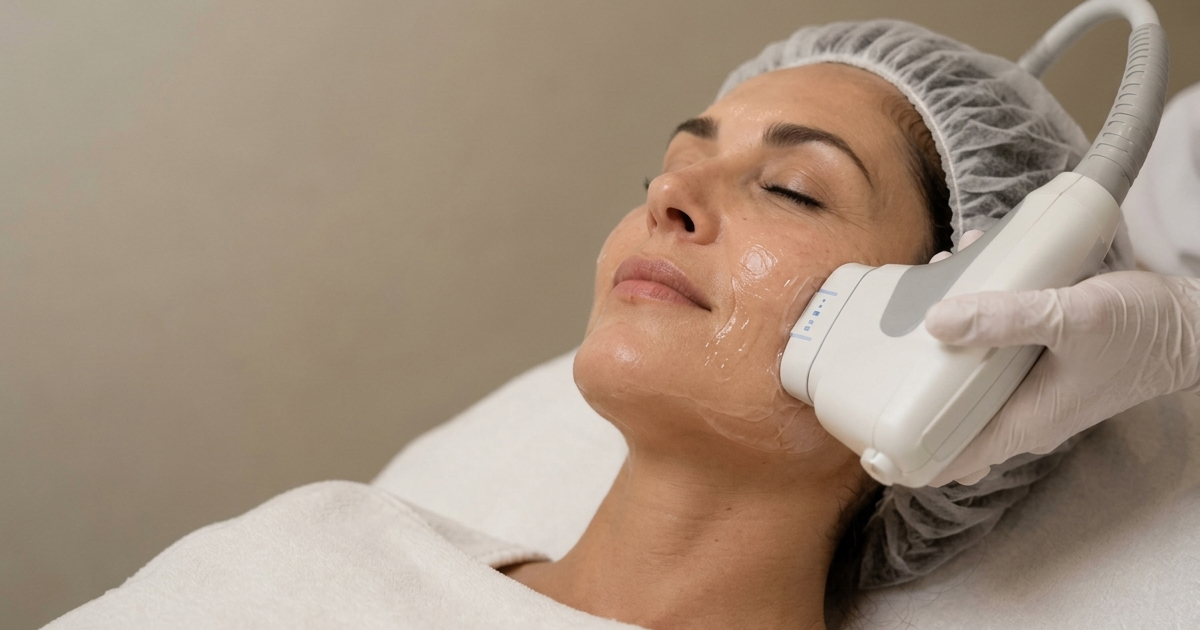 Skin firmness and elasticity play an important role in maintaining a youthful, smooth, and well-defined appearance. Over time, however, the skin gradually loses some of its natural ability to stretch and return to its original shape. This change can lead to loose skin, fine lines, reduced firmness, and less defined facial or body contours. Although ageing is a natural process, factors such as sun exposure, weight fluctuations, genetics, and lifestyle habits can influence how quickly skin elasticity changes.
With advancements in aesthetic medicine, non-surgical skin-tightening treatments offer different approaches to improving skin firmness without traditional surgery. However, not every treatment is suitable for every individual. One of the most important factors practitioners consider when selecting an approach is the skin’s existing elasticity.
Understanding how skin elasticity affects treatment selection can help individuals make informed decisions about their aesthetic goals. At Dr. Camellia Kamyab’s clinic, treatment planning focuses on individual skin characteristics, the degree of laxity, and the expected improvement rather than following a single approach for everyone.
Understanding Skin Elasticity and Its Importance
Skin elasticity refers to the skin’s ability to stretch and return to its original shape. It is largely influenced by two structural proteins: collagen and elastin. Collagen provides strength and structural support, while elastin allows the skin to stretch and recover.
When these proteins are functioning effectively, the skin generally appears firm, smooth, and resilient. As natural ageing progresses, collagen and elastin production gradually decreases. Existing fibres may also become less organised, affecting the skin’s ability to maintain its structure.
Reduced elasticity can become noticeable through several changes, including:
- Loose or sagging skin around the cheeks, jawline, and neck.
- Fine lines and wrinkles that become more visible.
- Reduced definition around the lower face.
- Crepey or less firm skin on the arms, abdomen, and thighs.
- Skin that takes longer to return to its original position after stretching.
These changes do not develop at the same rate for everyone. Some individuals may experience reduced elasticity at a relatively young age, while others maintain firmer skin for longer. This variation makes individual assessment particularly important when considering Skin Tightening in Dubai.
What Causes Skin Elasticity to Decline?
Several biological and environmental factors contribute to changes in skin elasticity. Understanding these influences helps explain why individuals with similar ages may require different treatment approaches.
Natural Ageing
Ageing is one of the primary reasons for declining skin elasticity. As the body produces less collagen and elastin, the skin gradually loses some of its firmness and structural support. The natural renewal process also becomes slower, contributing to changes in skin texture and appearance.
Sun Exposure
Repeated exposure to ultraviolet radiation can accelerate the breakdown of collagen and elastin fibres. This process, commonly associated with photoageing, may lead to premature wrinkles, uneven texture, and reduced skin firmness.
In a sunny environment such as Dubai, consistent sun protection is particularly important for maintaining skin quality.
Weight Fluctuations
Significant weight changes can stretch the skin, particularly around the abdomen, upper arms, thighs, and other body areas. After weight loss, some individuals notice that their skin does not fully return to its previous shape.
The extent of this change depends on several factors, including age, genetics, the amount of weight lost, and how long the skin remained stretched.
Genetics and Lifestyle
Genetics influence the natural structure and quality of the skin. Lifestyle habits, including smoking, inadequate sleep, poor nutrition, and limited sun protection, may also affect overall skin health and the ageing process.
Why Skin Elasticity Matters When Choosing Non-Surgical Treatments
Skin elasticity is an important consideration because different non-surgical technologies work through different mechanisms. Some treatments focus on stimulating collagen production, while others deliver controlled energy into deeper skin layers to encourage tissue remodelling.
Individuals with relatively good elasticity but mild looseness may respond differently from those experiencing more established skin laxity.
For example, someone with early signs of facial ageing may benefit from a treatment designed to support collagen production and improve firmness. In comparison, someone with more noticeable looseness may require a different approach or a combination of treatments.
During an aesthetic consultation, several characteristics may be evaluated:
- The existing level of skin firmness.
- The location and extent of loose skin.
- Skin thickness and overall texture.
- Age-related changes and previous weight fluctuations.
- Individual aesthetic expectations.
- Whether the treatment area is on the face, neck, or body.
This assessment helps determine which technology may provide a suitable improvement while keeping expectations realistic.
Which Non-Surgical Treatments Are Considered for Different Levels of Skin Elasticity?
Non-surgical skin tightening includes several treatment categories. Their suitability depends on the individual’s skin condition, treatment area, and desired outcome.
Radiofrequency Skin Tightening
Radiofrequency treatments use controlled energy to generate heat within targeted skin layers. This process can encourage collagen remodelling and support gradual improvements in skin firmness.
Radiofrequency may be considered for individuals experiencing mild to moderate skin laxity. It is commonly used in areas such as the face, jawline, neck, and certain body regions.
The treatment approach depends on the technology being used and the depth of energy delivery. Individuals with relatively preserved elasticity may be suitable candidates when their primary concern is early looseness or changes in skin texture.
High-Intensity Focused Ultrasound
High-intensity focused ultrasound, commonly known as HIFU, delivers focused ultrasound energy to selected tissue depths. The energy creates controlled thermal points that stimulate the body’s natural tissue-remodelling response.
HIFU is often considered for individuals looking to improve the appearance of mild to moderate laxity, particularly around the lower face, jawline, and neck.
The depth of treatment is selected according to the treatment area and individual anatomy. It is important to understand that results develop gradually rather than appearing immediately.
Laser-Based Skin Tightening
Certain laser technologies use controlled light energy to heat targeted skin structures and encourage collagen-related changes. Depending on the device, they may also improve skin texture, fine lines, and surface irregularities.
Laser-based treatments may be considered when reduced firmness occurs alongside concerns such as uneven texture or visible signs of photoageing.
The appropriate technology depends on skin type, pigmentation concerns, the degree of laxity, and the intended treatment depth.
Collagen-Stimulating Treatments
Some aesthetic treatments aim to support the skin’s natural collagen production. These may include selected injectable approaches or other technologies designed to improve skin structure over time.
They are not all interchangeable with energy-based tightening procedures. Their purpose, treatment depth, and suitability vary, making professional assessment essential.
How Does Treatment Selection Change with Different Levels of Skin Elasticity?
The degree of existing elasticity can influence both the type of treatment selected and the improvement that may reasonably be expected.
Good Skin Elasticity with Early Signs of Laxity
Individuals with relatively firm skin may notice subtle changes around the jawline, cheeks, or neck. In these situations, treatments that encourage collagen remodelling may be considered to support firmness.
The aim is generally to address early changes before looseness becomes more noticeable. Treatment selection may also take preventive skin-maintenance goals into consideration.
Moderate Loss of Elasticity
When the skin begins to lose more noticeable firmness, treatment planning may become more specific. A practitioner may assess whether radiofrequency, ultrasound-based procedures, or another suitable technology could address the affected tissue layers.
The location of the looseness is also important. Facial skin may require a different approach from abdominal or upper-arm skin because tissue thickness, movement, and underlying structures vary.
Significant Skin Laxity
Individuals with substantial loose skin may have more limited improvement from non-surgical procedures. Energy-based treatments can support collagen remodelling, but they cannot always remove excess skin or reproduce the results of surgical lifting procedures.
A professional consultation helps establish whether a non-surgical option is appropriate or whether another treatment category should be discussed.
How Does Skin Elasticity Affect Body Skin Tightening?
Skin elasticity is particularly relevant when addressing loose skin on the body. Areas such as the abdomen, thighs, upper arms, and flanks can experience changes following weight loss, pregnancy, or natural ageing.
For example, someone with mild abdominal looseness and relatively good elasticity may be considered for a non-surgical treatment that encourages collagen remodelling. However, a person with significant excess skin following substantial weight loss may require a different treatment discussion.
Body Skin Tightening in Dubai involves assessing more than the visible amount of loose skin. Practitioners may also consider:
- The thickness and quality of the skin.
- The amount of remaining skin elasticity.
- The size and location of the treatment area.
- Whether the concern involves skin laxity or underlying fat deposits.
- Previous pregnancy or significant weight changes.
- The individual’s desired body contour.
It is important to distinguish between excess fat and loose skin because they are different concerns. A treatment designed to improve skin firmness does not necessarily reduce significant fat deposits, while fat-reduction procedures do not automatically correct loose skin.
Can Skin Elasticity Influence the Number of Treatments Required?
Yes. Existing skin elasticity may influence the treatment plan, including the number of sessions and the time needed to notice changes.
Individuals with mild laxity and relatively healthy skin structure may require a different treatment schedule from those with more established changes. The technology used also matters because some procedures are performed as a single session, while others involve multiple appointments.
Collagen remodelling is a gradual biological process. Consequently, improvements may develop over several weeks or months, depending on the treatment method.
Treatment planning should consider:
- The severity of skin looseness.
- The technology and energy settings used.
- The individual’s response to treatment.
- The size of the treatment area.
- Whether maintenance sessions may be appropriate.
A practitioner should explain the expected treatment timeline before beginning so that individuals understand what can realistically be achieved.
How Can You Support Skin Elasticity Alongside Professional Treatments?
Professional aesthetic procedures are only one part of maintaining healthy-looking skin. Consistent skincare and healthy lifestyle habits can also support overall skin quality.
Use Daily Sun Protection
UV exposure contributes to collagen breakdown and premature skin ageing. Applying broad-spectrum sunscreen regularly can help protect the skin from further sun-related damage.
Maintain a Balanced Diet
A balanced diet containing adequate protein, vitamins, minerals, and antioxidant-rich foods supports normal skin function. Nutrients involved in collagen production, including vitamin C, are particularly relevant to maintaining healthy skin.
Stay Hydrated
Adequate hydration supports normal skin function and helps maintain skin comfort. Although drinking water cannot reverse established skin laxity, it remains an important part of general skin care.
Follow a Consistent Skincare Routine
A suitable skincare routine may include moisturisers, sunscreen, and selected active ingredients such as retinoids when appropriate. The correct products depend on individual skin type and tolerance.
Maintain Stable Body Weight
Avoiding repeated significant weight fluctuations may help reduce additional stretching of the skin, particularly around the abdomen and other body areas.
Why Is a Personalised Consultation Important Before Skin Tightening?
No two individuals have exactly the same skin structure, elasticity, or aesthetic concerns. Therefore, selecting a non-surgical treatment based only on age or the appearance of loose skin may not produce the most appropriate result.
A personalised consultation allows the practitioner to examine the treatment area, evaluate skin quality, understand the individual’s goals, and discuss suitable technologies.
Dr. Camellia Kamyab takes an individualised approach to aesthetic treatment planning, considering factors such as skin condition, the degree of laxity, and the desired improvement.
During a consultation, individuals can discuss their concerns, understand the differences between available technologies, and learn what outcomes may be realistic for their skin condition.
The objective is not simply to choose the most advanced treatment but to identify an approach that matches the individual’s skin characteristics and aesthetic expectations.
Conclusion
Skin elasticity is one of the most important factors influencing non-surgical skin-tightening treatment selection. It helps determine how the skin may respond to collagen-stimulating procedures, energy-based technologies, and other aesthetic approaches.
Individuals with good elasticity and early signs of looseness may be suitable for treatments focused on supporting collagen remodelling. Those with moderate laxity may require more targeted treatment planning, while significant excess skin may not respond sufficiently to non-surgical procedures alone.
When considering Skin Tightening in Dubai, understanding your skin’s existing condition is an important first step towards selecting an appropriate treatment. A professional assessment with Dr. Camellia Kamyab can help identify suitable options based on individual needs, treatment areas, and desired outcomes.
Frequently Asked Questions
1. What is skin elasticity, and why is it important for skin tightening?
Skin elasticity is the ability of the skin to stretch and return to its original shape. It is influenced by collagen and elastin, which provide structural support and flexibility. It is important because existing elasticity can affect how the skin responds to non-surgical tightening treatments.
2. Can non-surgical skin tightening improve loose skin with poor elasticity?
Non-surgical treatments may improve the appearance of mild to moderate skin laxity by encouraging collagen remodelling. However, individuals with significantly reduced elasticity or substantial excess skin may experience limited improvement. A professional assessment helps determine suitable options.
3. Which treatment is suitable for mild skin laxity?
Radiofrequency, HIFU, and selected laser-based procedures may be considered for mild skin laxity. The most appropriate option depends on the treatment area, skin condition, and individual aesthetic goals.
4. Does age determine the best skin-tightening treatment?
Age is one consideration, but it does not determine treatment suitability on its own. Skin thickness, elasticity, genetics, lifestyle, and the degree of laxity are also important when selecting a procedure.
5. Is body skin tightening suitable after weight loss?
It may be suitable for individuals experiencing mild to moderate loose skin after weight loss. However, the amount of excess skin and remaining elasticity must be evaluated. Significant loose skin may require surgical options rather than non-surgical treatment alone.
6. How long does it take to see results from non-surgical skin tightening?
Results vary depending on the procedure and individual response. Some improvements may become noticeable over several weeks, while collagen-related changes can continue developing over a few months.
7. Can skin-tightening treatments improve the jawline?
Certain radiofrequency and ultrasound-based procedures may help improve the appearance of mild skin laxity around the jawline. Suitability depends on the individual’s anatomy, skin quality, and the cause of reduced definition.
8. How many sessions are needed for body skin tightening?
The number of sessions varies according to the treatment technology, skin condition, and size of the treatment area. Some procedures may involve a single session, while others require multiple appointments or maintenance treatments.
9. Can skincare products restore lost skin elasticity?
Skincare products containing ingredients such as retinoids may support skin texture and collagen-related processes. Moisturisers and sunscreen also help maintain skin health. However, topical products cannot fully reverse significant skin laxity.
10. How can I determine the right skin-tightening treatment in Dubai?
The best way is to arrange a consultation with an experienced aesthetic practitioner. An assessment of skin elasticity, tissue quality, treatment areas, and personal goals can help identify an appropriate non-surgical approach.