
Minor Surgery in UK: How Is the Appropriate Procedure Selected for Different Skin Concerns?
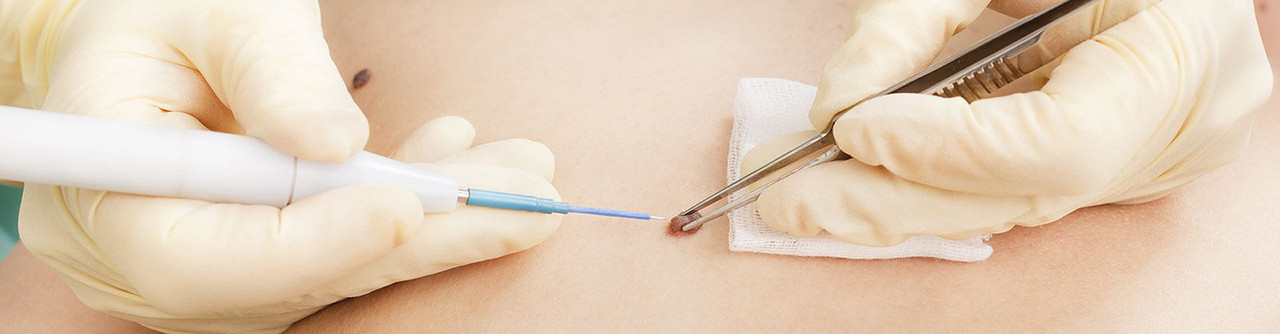
Minor surgery is commonly used to assess and treat a range of skin concerns, including cysts, lipomas, skin tags, and certain other skin lumps or lesions. Although many of these concerns may appear similar on the surface, they can differ in their underlying structure, size, location, and medical significance. Selecting an appropriate procedure therefore begins with an individual assessment rather than relying on appearance alone.
At Well Life Clinic, understanding the nature of a skin concern is an important part of determining which treatment approach may be suitable. The consultation allows a healthcare professional to review the affected area, discuss the patient’s concerns, and consider the most appropriate way to manage it.
When exploring Minor Surgery in UK, patients may want to understand how different procedures are selected, what factors influence treatment planning, and whether a particular concern can be addressed through a minor surgical approach. The decision depends on several considerations, including the type of skin lesion, its characteristics, the patient’s medical history, and the intended treatment outcome.
This article explains how healthcare professionals assess common skin concerns and select suitable minor surgical procedures based on individual needs.
Understanding Different Skin Concerns Before Treatment
The first step in selecting a procedure is identifying the nature of the skin concern. Not every lump, bump, or raised area requires the same approach, even when two concerns look alike.
A healthcare professional may examine the affected area, ask when the concern first appeared, and establish whether it has changed in size, shape, colour, or texture. The assessment may also include questions about discomfort, previous treatments, and any relevant medical history.
Different concerns can require different treatment methods. For example, a skin tag may be managed differently from a cyst or a deeper lump beneath the skin. Understanding these differences helps guide the choice of procedure and whether further assessment is needed before treatment.
The purpose of the consultation is to establish a clear understanding of the concern and determine whether minor surgery is appropriate.
How Is the Appropriate Minor Surgical Procedure Selected?
Selecting a suitable procedure involves considering the characteristics of the skin concern alongside the patient’s individual circumstances. Several factors can influence this decision.
Type and Structure of the Skin Concern
The type of lesion is one of the most important considerations. Skin tags, cysts, lipomas, and other skin growths have different structures, so they may require different management approaches.
For example, a skin tag is generally a small, soft growth attached to the skin by a narrow base. A cyst may form beneath the skin and contain material within a sac-like structure. A lipoma is typically a soft lump made up of fatty tissue beneath the skin.
These differences influence how a healthcare professional approaches treatment. The procedure must be appropriate for the structure being treated rather than simply removing what is visible on the surface.
Size, Depth, and Location
The size and depth of a lesion can affect the choice of procedure. A small, superficial concern may be approached differently from a larger lump that extends into deeper tissue.
Location is also important. Skin concerns around the face, neck, eyelids, or other visible areas may require particular attention to the surrounding skin and the desired cosmetic outcome. Areas subject to friction, such as the neck or underarms, may also influence the patient’s treatment priorities.
A healthcare professional considers these factors to determine which approach is suitable for the affected area.
Medical History and Individual Needs
A patient’s medical history can help determine whether a proposed procedure is appropriate. Relevant considerations may include existing health conditions, allergies, previous skin treatments, current medicines, and any history of unusual skin healing.
The patient’s expectations are also discussed. Some people may be concerned about irritation caused by a skin tag, while others may seek assessment of a lump that has become more noticeable over time.
Taking these details into account supports a more personalised treatment plan.
Choosing Procedures for Common Skin Concerns
Different skin concerns may require different minor surgical techniques. The appropriate option depends on the clinical assessment and the nature of the lesion.
Skin Tags
Skin tags are small, soft growths that commonly appear on the neck, underarms, eyelids, and other areas where skin may rub together. They are generally harmless, although they can catch on clothing or jewellery and become irritated.
When a skin tag is suitable for treatment, a healthcare professional may consider removal techniques such as snip excision or another appropriate method. The choice depends on the tag’s size, attachment, location, and clinical characteristics.
Before removal, the practitioner should establish that the growth is consistent with a skin tag. A lesion that looks unusual or has changed in appearance may require further assessment rather than immediate removal.
Skin Cysts
A cyst is a closed structure that can develop beneath the skin. Some cysts remain small and stable, while others become more noticeable or cause discomfort.
The treatment approach depends on the type of cyst, its location, and whether it is suitable for removal. In selected cases, surgical excision may be considered to remove the cyst and its surrounding sac.
The consultation helps establish whether the lump is likely to be a cyst and whether minor surgery is an appropriate option. If the diagnosis is uncertain or the area requires additional investigation, further assessment may be recommended before a procedure is selected.
Lipomas
Lipomas are generally slow-growing lumps composed of fatty tissue beneath the skin. They often feel soft and may move slightly when touched.
Some lipomas do not require treatment, while others may be assessed for removal because of their size, location, growth, or effect on daily activities.
When removal is appropriate, surgical excision may be considered. The clinician assesses the lump’s dimensions, depth, and position to determine whether the proposed procedure is suitable.
A lump that grows quickly, feels fixed, or has other unusual characteristics should receive appropriate medical assessment rather than being assumed to be a lipoma.
Other Skin Lumps and Lesions
Not every skin growth can be confidently identified through appearance alone. Warts, moles, inflamed lesions, and other skin changes may need different forms of assessment or treatment.
For example, a changing mole may require evaluation under an appropriate skin assessment pathway before any removal is considered. Depending on the findings, a clinician may recommend a biopsy, histological examination, specialist review, or another investigation.
This distinction is important because the goal is not simply to remove a visible lesion. It is also to ensure that the selected treatment is appropriate for the nature of the concern.
The Importance of a Personalised Consultation
A consultation provides an opportunity to assess the skin concern in context and discuss suitable treatment options.
During the appointment, the healthcare professional may ask how long the lesion has been present, whether it has changed, and whether it affects comfort or daily activities. Previous treatments and relevant medical conditions may also be reviewed.
The practitioner then explains the options that may be appropriate, including whether a minor surgical procedure is suitable or whether another approach would be preferable.
Patients can use this discussion to ask questions about the proposed technique, the expected treatment process, aftercare requirements, and the likely appearance of the treated area.
At a Private Minor Surgery Clinic In UK, individual assessment is particularly important when patients are considering treatment for a specific skin concern. The procedure should be selected according to clinical suitability rather than a preference for one technique across all cases.
When Is Further Assessment Needed Before Minor Surgery?
Some skin concerns require additional investigation before a procedure can be planned. This may be necessary when a lesion has an uncertain diagnosis or features that are not typical of a benign skin growth.
Changes in size, shape, colour, or texture can influence the next steps. Other considerations include persistent bleeding, an open area that does not heal, or a lump that feels different from the surrounding tissue.
In these situations, a healthcare professional may recommend further examination or referral to an appropriate specialist. A biopsy or laboratory examination of a tissue sample may be indicated in selected cases.
The decision to investigate further is part of choosing the right treatment. Establishing what a lesion is before removing it can help ensure that the patient receives appropriate care.
What Should Patients Consider Before Choosing a Procedure?
Patients can prepare for their consultation by noting when the concern first appeared and whether it has changed. Bringing details of previous assessments or treatments may also help the clinician understand the situation.
It is useful to discuss the following points:
- Treatment suitability: Ask whether the concern is appropriate for minor surgery or requires further investigation.
- Available techniques: Understand why one procedure may be preferred over another for the specific lesion.
- Expected outcome: Discuss what the treatment is intended to achieve and what the treated area may look like afterwards.
- Aftercare: Ask how to care for the area and when normal activities can usually resume.
- Tissue assessment: Find out whether the removed tissue may need to be sent for laboratory examination.
- Follow-up arrangements: Clarify whether a review appointment or additional assessment may be needed.
These discussions help patients make informed decisions and understand the reasoning behind the proposed treatment plan.
How Minor Surgery Can Support Individual Treatment Goals
The purpose of minor surgery varies according to the concern being treated. For one patient, the main priority may be removing a skin tag that repeatedly catches on clothing. Another patient may want a persistent lump assessed and treated, while someone else may need a lesion examined to establish its nature.
A suitable procedure should address the clinical concern while taking account of the surrounding tissue, the location of the lesion, and the patient’s expectations.
It is also important to recognise that not every skin concern needs to be removed. If a lesion does not require treatment, monitoring or another management approach may be more appropriate. Where the diagnosis is uncertain, additional assessment should take priority over removal for cosmetic reasons.
This individualised approach helps ensure that treatment decisions are based on the patient’s needs and the findings of the clinical examination.
Conclusion
Choosing the appropriate procedure for a skin concern involves more than identifying a visible lump or growth. The type of lesion, its size and depth, its location, the patient’s medical history, and the intended treatment outcome all contribute to the decision.
Skin tags, cysts, and lipomas may each be managed using different techniques, while unusual or changing lesions may require further investigation before treatment can proceed. A clinical consultation helps establish which approach is suitable and whether minor surgery is the right option.
For patients considering Minor Surgical Procedures In UK, a personalised assessment provides an opportunity to understand the available options and the reasons behind a recommended procedure. Well Life Clinic can be considered by patients seeking information about minor surgery and the assessment of common skin concerns.
The most appropriate treatment plan is one that reflects the characteristics of the individual lesion, addresses the patient’s concerns, and follows a clear clinical assessment.
Frequently Asked Questions
1. What is minor surgery used for?
Minor surgery can be used to treat selected skin concerns, including certain skin tags, cysts, lipomas, and other suitable lesions. The appropriate procedure depends on the diagnosis, the lesion’s characteristics, and the patient’s individual circumstances.
2. How is the right minor surgical procedure selected?
A healthcare professional considers the type, size, depth, and location of the skin concern, along with the patient’s medical history and treatment goals. These factors help determine whether removal is appropriate and which technique may be suitable.
3. Can all skin lumps be removed through minor surgery?
No. Some lumps require further investigation or specialist assessment before removal can be considered. A clinician should establish the likely nature of the lump and determine whether minor surgery is an appropriate option.
4. Is a consultation necessary before minor surgery?
Yes. A consultation allows the healthcare professional to assess the skin concern, review relevant medical history, discuss suitable options, and explain whether additional investigations are needed.
5. What is the difference between removing a skin tag and a cyst?
A skin tag is generally a small growth attached to the skin, whereas a cyst is a structure that develops beneath the skin and may contain material within a sac. Their different structures mean that they may require different removal techniques.
6. Does every lipoma need to be removed?
No. Many lipomas do not require treatment. Removal may be considered depending on the lump’s size, location, growth, symptoms, or the patient’s concerns. A healthcare professional should assess the lump before recommending treatment.
7. Will a skin lesion need laboratory examination after removal?
Not every lesion requires laboratory examination. However, when the diagnosis is uncertain or the clinical findings indicate that tissue analysis is appropriate, the removed sample may be sent for histological examination.
8. How should patients prepare for a minor surgery consultation?
Patients should be ready to explain when the skin concern appeared, whether it has changed, and whether it causes discomfort. They should also share relevant medical history, allergies, medicines, and details of previous treatments.
9. Can minor surgery be used for cosmetic skin concerns?
Some benign skin concerns can be treated for cosmetic or practical reasons, provided the procedure is clinically appropriate. The practitioner should assess the lesion first and discuss realistic expectations and suitable treatment options.
10. How can patients find a suitable private minor surgery clinic in the UK?
Patients should look for a clinic that provides appropriate clinical assessment, explains available procedures clearly, and can identify when further investigation or specialist referral is necessary. Asking about the practitioner’s relevant qualifications, experience, aftercare arrangements, and follow-up process can help patients make an informed choice.