
High Cholesterolemia Dubai: What Lifestyle Factors Are Reviewed During Consultation?
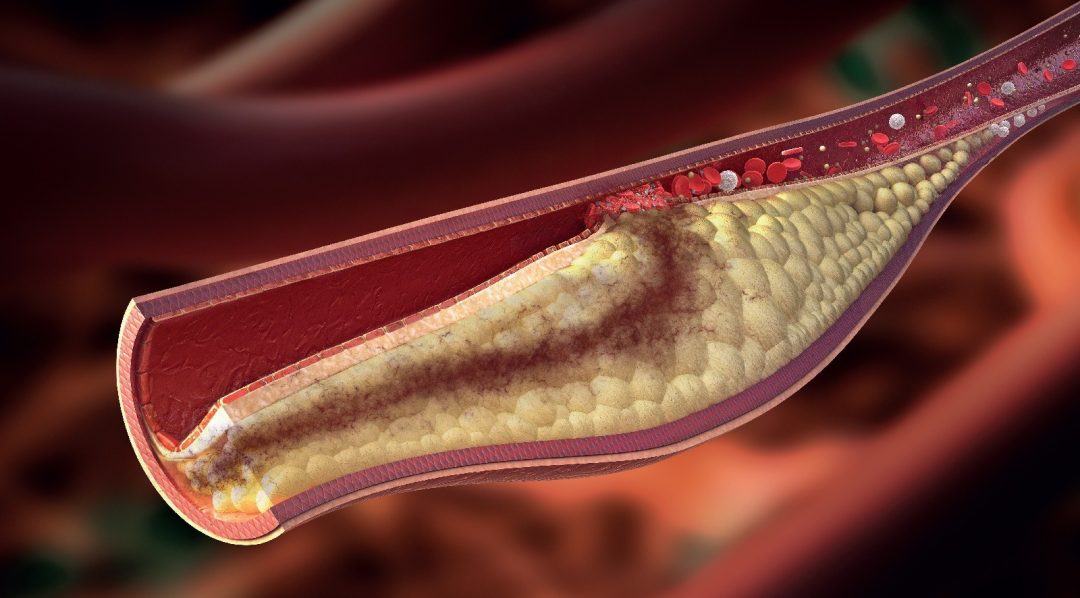
Cholesterol levels are influenced by more than genetics or individual medical conditions. Everyday lifestyle habits, including diet, physical activity, sleep, stress, alcohol intake, smoking, and weight management, can all form part of a cholesterol assessment. Understanding these factors helps a doctor develop a more complete picture of a patient’s overall health and identify areas that may require attention.
During a consultation for High cholesterolemia Dubai, Dr. Barbara may discuss different aspects of a patient’s lifestyle alongside their medical history, symptoms, previous test results, and current health concerns. This approach allows the consultation to focus on the individual rather than looking at cholesterol results in isolation.
Patients may also want to understand the financial aspects of their care, including High cholesterolemia Cost in Dubai, before arranging an appointment. The cost can depend on the type of consultation, investigations required, and the overall assessment provided.
Why Are Lifestyle Factors Discussed During a Cholesterol Consultation?
Cholesterol is a fatty substance that has important functions within the body. However, an imbalance between different types of cholesterol and other blood lipids can require medical assessment and ongoing monitoring.
A consultation is therefore not limited to reviewing a cholesterol number. A doctor may ask about daily routines and habits to understand factors that could be associated with the patient’s lipid profile.
Lifestyle discussions can include:
- Typical eating patterns and food choices
- Physical activity and exercise routines
- Body weight and changes over time
- Smoking or tobacco use
- Alcohol consumption
- Sleep patterns
- Daily stress
- Work and activity routines
- Previous attempts to change lifestyle habits
- General approaches to maintaining health
These questions are not intended to judge a patient’s habits. Instead, they help the doctor understand the patient’s circumstances and determine which areas may be relevant to their overall cholesterol management.
How Is Diet Reviewed During a Consultation?
Diet is one of the most commonly discussed lifestyle factors during a cholesterol assessment. Rather than simply asking whether a patient follows a “healthy diet,” a doctor may explore what the person normally eats throughout the day.
Questions may cover breakfast, lunch, dinner, snacks, drinks, portion sizes, and eating patterns outside the home.
The consultation may also consider the frequency of foods that are high in saturated fats, as well as the amount of fibre-rich foods, vegetables, fruits, whole grains, nuts, and other foods included in the usual diet.
Patients may be asked about:
- Fried or heavily processed foods
- Fatty cuts of meat
- Full-fat dairy products
- Takeaway meals
- Baked or packaged foods
- Sugary foods and drinks
- Fruit and vegetable intake
- Whole grains and high-fibre foods
- Meal timing and regularity
The purpose is to understand the patient’s normal dietary pattern rather than focus on one individual meal or food.
What Role Does Physical Activity Play in the Assessment?
Physical activity is another important part of a lifestyle review. A doctor may ask how often the patient exercises, what type of activity they perform, and how active they are during the rest of the day.
For example, someone may exercise occasionally but spend most of their working day sitting at a desk. Another person may have an active occupation but not participate in structured exercise. These differences can be relevant when discussing overall activity levels.
The consultation may cover:
- Walking and daily movement
- Gym-based exercise
- Cardiovascular activities
- Strength training
- Recreational sports
- Sedentary working hours
- Frequency and duration of exercise
Understanding the patient’s current routine can help the doctor discuss realistic lifestyle measures where appropriate.
Is Weight Discussed During a Cholesterol Consultation?
Body weight and changes in weight may also form part of the lifestyle assessment. The doctor may ask whether the patient has experienced recent weight gain or loss and whether they have previously followed specific weight-management plans.
Weight is not considered in isolation. A broader assessment can include diet, activity, metabolic health, family history, and other relevant medical factors.
Patients may also be asked about previous attempts to change their weight, what approaches they tried, and whether they found particular routines easy or difficult to maintain.
This information can help make lifestyle discussions more practical and relevant to the individual’s circumstances.
How Are Smoking Habits Considered?
Smoking and tobacco use may be discussed as part of a general cardiovascular health assessment. A doctor may ask whether the patient currently smokes, has smoked previously, or uses other tobacco or nicotine products.
The discussion may include the frequency and duration of use and whether the patient has previously attempted to stop.
Providing accurate information allows the doctor to consider smoking status alongside cholesterol levels and other aspects of the patient’s health profile.
Does Alcohol Consumption Form Part of the Lifestyle Review?
Alcohol consumption can also be discussed during a cholesterol consultation. Rather than making assumptions about drinking habits, the doctor may ask about how frequently the patient drinks and the approximate amount consumed.
The discussion may cover:
- Frequency of alcohol consumption
- Typical quantity
- Types of alcoholic drinks
- Drinking patterns during weekends or social occasions
- Changes in consumption over time
This information can be considered alongside dietary habits, weight, liver health, blood test results, and other relevant health information.
Why Might Sleep Patterns Be Discussed?
Sleep is increasingly considered an important component of general health. During a consultation, patients may be asked about their usual sleeping schedule, sleep duration, and whether their sleep routine is consistent.
A doctor may also ask about lifestyle factors that influence sleep, such as working hours, late-night meals, screen use, or irregular schedules.
The purpose is to understand the patient’s overall routine and identify lifestyle patterns that may be relevant to their broader health assessment.
How Can Stress and Daily Routine Be Reviewed?
Stress can affect everyday behaviours, including eating patterns, physical activity, sleep, and work routines. Consequently, a doctor may ask about the patient’s typical level of daily stress and how they manage demanding periods.
The discussion may include:
- Work-related pressures
- Family responsibilities
- Irregular schedules
- Eating during stressful periods
- Changes in exercise habits
- Sleep disruption
- Methods used to relax or unwind
This provides additional context that may not be apparent from a blood test alone.
Are Work and Activity Patterns Considered?
A person’s occupation and daily schedule can influence lifestyle habits. Someone who works long office hours may have different dietary and activity patterns from someone with a physically demanding job.
During a consultation, the doctor may therefore ask about working hours, commuting, meal breaks, physical movement, and time available for exercise.
These details can help create a realistic picture of the patient’s everyday routine and make lifestyle discussions more practical.
What Previous Lifestyle Changes Might the Doctor Ask About?
If a patient has previously attempted to improve their cholesterol or general health, the doctor may ask what changes were made and how long they were maintained.
For example, a patient may have previously:
- Changed their diet
- Increased physical activity
- Reduced certain foods
- Lost weight
- Stopped smoking
- Changed alcohol consumption
- Started following a structured exercise routine
Understanding previous experiences can help the doctor avoid repeating approaches that were unsuitable or difficult for the individual.
How Are Lifestyle Factors Combined With Medical Information?
Lifestyle factors are only one part of a cholesterol consultation. The doctor may also review medical history, family history, previous cholesterol measurements, current medications, existing health conditions, and relevant blood test results.
Different factors may interact, so the consultation aims to consider the patient’s health more broadly.
For example, a person may have a balanced diet and regular exercise routine but still have elevated cholesterol. Another person may have recently changed their lifestyle and require follow-up testing to understand how their cholesterol levels respond over time.
This is why an individual assessment can be more informative than relying on a single lifestyle factor.
What Should Patients Prepare Before a Cholesterol Consultation?
Patients can make their appointment more useful by preparing relevant information beforehand. This may include previous blood test results, a list of current medications and supplements, details of existing medical conditions, and information about family health history.
It can also be helpful to think about typical daily habits before the consultation.
Patients may consider noting:
- What they usually eat and drink
- How frequently they exercise
- Typical working hours
- Sleep schedule
- Smoking or tobacco use
- Alcohol consumption
- Recent weight changes
- Previous lifestyle changes
Providing accurate information allows the doctor to understand the patient’s circumstances more clearly.
Why Is Honest Lifestyle Information Important?
Patients sometimes worry that certain lifestyle habits may be viewed negatively during a medical appointment. However, accurate information is important because it gives the doctor a reliable basis for the assessment.
There is no benefit in changing answers simply to appear healthier. Details about diet, exercise, smoking, alcohol, sleep, and daily routines can help the doctor understand the complete picture.
Open communication also allows patients to discuss practical difficulties, such as limited time for exercise, demanding work schedules, frequent restaurant meals, or difficulty maintaining dietary changes.
What Happens After Lifestyle Factors Are Reviewed?
After discussing lifestyle and medical history, the doctor may determine whether additional assessment or laboratory testing is appropriate. Existing cholesterol results may also be reviewed in context.
Depending on the individual situation, the consultation may involve discussing lifestyle adjustments, monitoring cholesterol levels, or considering whether further medical evaluation is appropriate.
The next steps are based on the patient’s overall health information rather than lifestyle factors alone.
Conclusion
A consultation for High cholesterolemia Dubai can involve a detailed review of everyday lifestyle factors alongside medical history and cholesterol results. Diet, physical activity, weight changes, smoking, alcohol consumption, sleep, stress, work patterns, and previous lifestyle efforts may all be discussed.
Providing clear and honest information can help the doctor understand the patient’s daily routine and consider relevant factors when planning further assessment or monitoring. Patients considering an appointment can also ask about High cholesterolemia Cost in Dubai and what may be included in their consultation before attending.
Frequently Asked Questions
What lifestyle factors are reviewed during a high cholesterol consultation?
A doctor may discuss diet, exercise, body weight, smoking, alcohol consumption, sleep, stress, work routines, and previous lifestyle changes. The exact areas covered depend on the patient’s individual circumstances.
Does diet need to be discussed during a cholesterol consultation?
Yes. Dietary habits can provide useful information about a patient’s overall lifestyle. The doctor may ask about typical meals, snacks, drinks, processed foods, fats, fibre, fruits, vegetables, and eating patterns.
Will exercise habits be discussed?
Exercise and general physical activity may be reviewed. The doctor may ask about structured exercise, walking, recreational activities, strength training, and the amount of time spent sitting during the day.
Why does a doctor ask about weight changes?
Recent or long-term weight changes can provide additional context during a general health and cholesterol assessment. The doctor may ask about previous weight-management efforts and changes in eating or activity habits.
Is smoking discussed during cholesterol assessment?
Smoking or tobacco use may be discussed as part of a broader cardiovascular health review. Patients should provide accurate information about current or previous tobacco use.
Does alcohol consumption matter during the consultation?
Alcohol intake may be reviewed alongside diet and other lifestyle factors. The doctor may ask about how frequently the patient drinks and their typical consumption.
Should I bring previous cholesterol test results?
If available, previous cholesterol or other relevant blood test results can be useful. They may help the doctor understand how the patient’s measurements have changed over time.
What information should I provide about my daily routine?
Patients can discuss their typical meals, activity levels, working hours, sleep schedule, smoking or alcohol use, recent weight changes, and previous lifestyle adjustments.
Can lifestyle factors be reviewed even if I already have a cholesterol diagnosis?
Yes. Lifestyle habits can change over time, so they may continue to be discussed during follow-up appointments. The doctor can consider current information together with previous results and medical history.
How can I prepare for a high cholesterol consultation in Dubai?
Prepare any previous test results, a list of medications or supplements, relevant medical history, family health information, and an overview of your usual diet and lifestyle. This can help make the consultation more informative.