
Fiberglass Pools and Luxury Pool Builders in NY
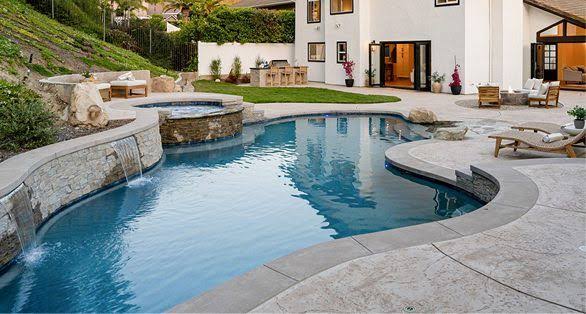 Complete Guide to Fiberglass and Luxury Pool Construction in New York
Creating a beautiful swimming pool is one of the best ways to transform an ordinary backyard into a relaxing outdoor retreat. Whether you want a modern swimming pool for family enjoyment, an elegant luxury pool for entertaining guests, or a complete backyard renovation, choosing the right pool type and contractor is essential. Homeowners in New York have several options, including fiberglass pools, custom gunite pools, and professional swimming pool resurfacing services.
Coastal Pools & Spas helps homeowners explore swimming pool construction and outdoor living possibilities designed around their property, lifestyle, and long-term goals. From selecting the right pool design to planning patios, walkways, and outdoor features, every detail contributes to the overall appearance and functionality of the space.
If you are researching fiberglass swimming pools, comparing gunite pool installation options, or searching for a reliable inground pool contractor, understanding the construction process can help you make a confident decision.
Understanding Fiberglass Pools for New York Homes
Fiberglass pools are a popular choice for homeowners seeking an attractive, comfortable, and practical swimming pool. These pools are manufactured as prefabricated shells and installed in an excavated area prepared for the selected design. They are available in different shapes, sizes, depths, and configurations to accommodate a variety of backyard layouts.
One of the main advantages of fiberglass pools is their smooth, nonporous surface. Compared with some traditional pool finishes, this surface can make routine cleaning easier and may reduce the need for frequent surface maintenance. However, water chemistry, circulation, filtration, and regular inspections remain essential for keeping the pool in good condition.
Why Choose Fiberglass Swimming Pools?
Fiberglass swimming pools offer several advantages for residential properties. Their factory-manufactured shells provide a consistent finish, and many models include built-in seating, tanning ledges, or other integrated features. Installation can also be faster than constructing a comparable custom gunite pool, depending on site preparation, weather, accessibility, and local permitting requirements.
New York homeowners should consider soil conditions, groundwater, drainage, property access, and seasonal weather before choosing a pool. A professional assessment helps determine whether a particular fiberglass model is suitable for the available space.
Finding Fiberglass Pools Near Me
When homeowners search for “fiberglass pools near me,” they are often looking for a local company that can handle design guidance, site preparation, installation, and finishing work. Working with an experienced local pool professional can make it easier to coordinate permits, inspections, equipment selection, and the surrounding landscape.
For homeowners in Westchester County and nearby New York communities, it is helpful to compare pool designs and installation plans before making a final decision. Ask about the installation process, warranty coverage, equipment options, drainage requirements, and the contractor’s experience with similar properties.
A well-planned fiberglass pool should complement the home’s architecture while leaving enough room for safe access, landscaping, seating, and outdoor entertainment.
Choosing the Right Fiberglass Pool Builder
Selecting a qualified fiberglass pool builder is an important step in creating a backyard that meets your expectations. Although the pool shell is a significant part of the project, successful installation also depends on excavation, base preparation, plumbing, backfilling, equipment installation, and the final grading of the surrounding area.
Before choosing a contractor, review previous projects and ask how the company manages site conditions, installation schedules, and unexpected challenges. A detailed proposal should explain the work included in the price, the expected project stages, and any additional costs that may arise.
What to Look for in a Fiberglass Pool Contractor
A reliable fiberglass pool contractor should understand local construction requirements and provide a clear explanation of the installation process. The contractor should also discuss access limitations, equipment placement, drainage, safety barriers, and the relationship between the pool and surrounding outdoor features.
Homeowners should ask whether the contractor coordinates the entire project or relies on separate subcontractors for excavation, electrical work, plumbing, and landscaping. Clear communication between these professionals can help prevent delays and reduce misunderstandings.
It is also important to discuss the manufacturer’s specifications, installation warranty, equipment warranty, and recommended maintenance schedule. These details help homeowners understand what is covered and what responsibilities they will have after construction.
Gunite Pools for Custom Backyard Designs
While fiberglass pools are manufactured in predetermined shapes, gunite pools provide greater flexibility for customized layouts. Gunite construction generally involves applying a concrete mixture pneumatically over a reinforced framework to create the pool shell. The shell is then finished with an appropriate interior surface.
Gunite pools are particularly appealing to homeowners who want distinctive architectural details, unusual dimensions, custom depths, integrated spas, or elaborate water features. They can be designed to complement contemporary homes, traditional properties, and expansive outdoor living spaces.
However, gunite construction typically involves a longer building process than installing a prefabricated fiberglass shell. The project may require additional coordination, finishing work, and long-term surface care.
Working With a Gunite Pool Builder
An experienced gunite pool builder can help translate a homeowner’s ideas into a practical construction plan. The design process usually considers the available space, desired swimming depth, circulation system, access points, landscaping, and the property’s overall style.
Homeowners should discuss the construction sequence, reinforcement details, concrete application, curing requirements, waterproofing, and interior finish options with their contractor. Local soil conditions and groundwater management must also be considered to protect the pool structure.
For a truly customized backyard, gunite construction may provide the flexibility needed to incorporate curved edges, integrated seating, decorative tile, spillover spas, and coordinated hardscaping.
Selecting a Gunite Pool Contractor
When comparing a gunite pool contractor, look for relevant project experience, appropriate licensing and insurance, detailed proposals, and references from completed installations. Ask to see examples of projects with designs similar to your own.
The contractor should explain which construction stages are included, how the work will be inspected, and how the interior finish will be selected. It is also useful to ask about expected timelines, seasonal scheduling, maintenance requirements, and the process for addressing changes during construction.
The lowest estimate is not always the best value. Quality materials, sound construction practices, effective drainage, and reliable project management can make a substantial difference in the long-term performance of a swimming pool.
Professional Gunite Pool Installation
A successful gunite pool installation starts with detailed planning. Before excavation begins, the contractor should assess the property, establish the pool layout, review utility locations, and identify any grading or drainage challenges.
Once permits and design details are finalized, construction generally progresses through excavation, structural reinforcement, plumbing installation, gunite application, curing, waterproofing where required, interior finishing, and equipment setup. The exact sequence depends on the design and construction specifications.
After the shell and finish are completed, the pool system must be commissioned and checked. Filtration, circulation, water treatment, lighting, and safety features should be tested before the pool is placed into regular use.
Planning for New York’s Climate
New York’s seasonal climate makes proper planning especially important. Freeze-thaw cycles, heavy rainfall, groundwater conditions, and winter temperatures can affect construction scheduling and long-term pool care.
Homeowners should discuss winterization procedures, equipment protection, drainage, and the manufacturer’s recommendations for seasonal closure. A properly designed and maintained pool can be better prepared for changing weather conditions.
The surrounding deck and landscaping also deserve attention. Suitable materials, correct slopes, and appropriate drainage can help limit standing water and reduce the risk of damage during seasonal weather changes.
Finding an In Ground Pool Contractor
Choosing an in ground pool contractor involves more than selecting a pool style. The contractor should understand the entire property, including access for construction equipment, existing structures, underground utilities, drainage patterns, and the intended use of the outdoor space.
A professional assessment can help determine the most suitable pool construction method, whether fiberglass or gunite. The right choice depends on design preferences, property conditions, budget, construction timeline, and long-term maintenance expectations.
Important Considerations Before Construction
Before committing to a project, homeowners should establish a realistic budget and identify their priorities. The total investment may include excavation, the pool shell, filtration equipment, electrical work, safety barriers, permits, decking, landscaping, and optional features.
New York homeowners should also check applicable municipal and county requirements. Setbacks, fencing, electrical codes, inspections, and other regulations can vary by location and property.
Clear planning helps ensure that the pool fits comfortably within the yard without compromising access, outdoor seating, or other important features.
Designing a Backyard With a Luxury Pool Builder
A luxury swimming pool should feel like a natural extension of the home rather than an isolated feature. Thoughtful design brings together the pool, patio, landscaping, lighting, and entertainment areas to create a cohesive outdoor environment.
A skilled luxury pool builder can help homeowners explore contemporary pool shapes, elegant finishes, tanning ledges, integrated spas, and water features. The best design balances visual appeal with practical considerations such as circulation, safe access, privacy, and ease of maintenance.
For New York properties, the surrounding architecture and landscape should influence the pool’s shape, materials, and placement. A clean-lined pool may suit a contemporary home, while a more traditional design may complement classic architecture and mature landscaping.
Creating a Personalized Luxury Pool
Personalization begins with understanding how the family will use the space. Some homeowners prioritize exercise and swimming, while others want a relaxing environment for entertaining friends or spending time with children.
Features such as built-in benches, tanning ledges, integrated spas, underwater lighting, and attractive coping can help create a distinctive design. Outdoor kitchens, fire features, retaining walls, and patios can extend the usable living area beyond the water.
The design should also account for circulation routes, storage, equipment access, and adequate space around the pool. These details help create an environment that remains functional as well as attractive.
Choosing a Luxury Pool Contractor
An experienced luxury pool contractor should be able to coordinate the pool design with the surrounding landscape and outdoor living features. Review completed projects to assess craftsmanship, material selection, proportions, and attention to detail.
Ask for a detailed project scope explaining the pool construction, equipment, finishes, lighting, hardscaping, and any additional outdoor amenities. Clarify how design revisions are handled and how the contractor coordinates different trades.
A successful luxury pool project depends on consistent communication, realistic scheduling, and careful execution. Homeowners should feel confident that the finished design reflects their priorities and works within the property’s practical limitations.
Understanding Swimming Pool Resurfacing
Over time, a swimming pool’s interior finish may show signs of wear. Rough areas, discoloration, stains, peeling, or visible deterioration can indicate that the surface needs professional evaluation. Swimming pool resurfacing can restore the interior appearance and help address finish-related problems.
The appropriate resurfacing method depends on the pool’s construction, existing finish, age, water chemistry, and condition. Gunite pools may require a new plaster-based, aggregate, or other compatible finish. Fiberglass pools generally require a different repair or refinishing approach suited to their shell and manufacturer’s specifications.
When Should a Pool Be Resurfaced?
There is no single resurfacing schedule that applies to every pool. The lifespan of a finish depends on its material, installation quality, water balance, frequency of use, and ongoing maintenance.
Homeowners should arrange an inspection if the surface becomes increasingly rough, develops persistent stains, loses material, or shows signs of deterioration. Cracks or unexplained water loss may require further investigation because they can indicate structural or plumbing issues rather than a simple surface problem.
A qualified pool professional can determine whether cleaning, localized repairs, resurfacing, or more extensive renovation is appropriate.
Maintaining Your Pool After Resurfacing
Following resurfacing, homeowners should follow the contractor’s instructions for filling the pool, balancing the water, and operating the circulation system. Some finishes require specific startup procedures to help achieve the intended result.
Routine maintenance should include monitoring water chemistry, cleaning the pool, inspecting equipment, and maintaining proper circulation. Avoiding extreme fluctuations in water balance can help protect the finish and extend its service life.
Regular inspections can also identify small issues before they become more expensive repairs.
Bringing Your Outdoor Living Vision Together
A well-designed swimming pool is only one part of a complete backyard transformation. Coordinating the pool with the surrounding environment can improve usability and create a more inviting atmosphere throughout the warmer months.
Patios provide space for lounging and dining, while walkways improve access between outdoor areas. Outdoor kitchens support entertaining, and fire features can create a comfortable gathering place during cooler evenings. Retaining walls may help manage changes in elevation when designed and constructed appropriately.
These elements should be considered early in the planning process so that drainage, electrical connections, circulation routes, and construction access can be coordinated efficiently.
Homeowners should also consider lighting, privacy planting, seating arrangements, and storage for pool equipment. Thoughtful placement of these features helps create a practical outdoor environment that complements the home’s appearance.
Why Choose Coastal Pools & Spas?
Coastal Pools & Spas serves homeowners in Hawthorne and the surrounding New York area with swimming pool construction and outdoor living solutions. The company focuses on creating backyard environments that reflect each homeowner’s design preferences, property conditions, and lifestyle goals.
Whether you are considering fiberglass pools, exploring a custom gunite design, planning a complete outdoor living area, or evaluating renovation options, working with a knowledgeable professional can help clarify the available choices.
The first step is to discuss your ideas, review your property’s requirements, and determine which construction approach best suits your goals. A clear plan can help establish expectations for design, scheduling, project scope, and the overall investment.
Homeowners researching a fiberglass pool builder, a gunite pool contractor, or a luxury pool builder in New York should compare experience, project examples, written proposals, and the level of service offered throughout construction.
Visit https://coastalpoolsny.com/ to explore available pool and outdoor living services and learn more about planning a personalized backyard project.
Conclusion
Building or renovating a swimming pool is a significant investment, and selecting the right construction method is essential to achieving a successful result. Fiberglass pools offer a factory-manufactured shell and a streamlined installation process, while gunite pools provide greater flexibility for custom shapes and architectural features.
Working with an experienced in ground pool contractor can help homeowners navigate design, site preparation, construction requirements, equipment selection, and finishing details. For existing pools, professional swimming pool resurfacing can address worn finishes and improve the appearance of the interior when resurfacing is the appropriate solution.
For homeowners in New York, careful planning and professional guidance can help turn a backyard into a beautiful, functional outdoor retreat that suits their property and lifestyle.
Frequently Asked Questions
1. What are the main benefits of fiberglass pools?
Fiberglass pools feature a smooth, factory-manufactured shell and may offer faster installation and simpler routine surface care than some alternatives.
2. How do I choose a fiberglass pool builder?
Compare local experience, completed projects, written estimates, warranty details, installation methods, insurance, and knowledge of local permitting requirements.
3. Are gunite pools suitable for custom designs?
Yes. Gunite pools allow flexible shapes, depths, integrated spas, and architectural features, making them suitable for many customized backyard designs.
4. When is swimming pool resurfacing necessary?
Resurfacing may be needed when the interior finish becomes rough, stained, peeling, or deteriorated. A professional inspection can identify the appropriate solution.
5. How do I select a luxury pool contractor in New York?
Look for relevant experience, detailed project proposals, strong references, clear communication, and an understanding of local construction and safety requirements.