
Blood Bank Centrifuge Help: Primary Qualities, Many benefits, and additionally Tricks of Choosing the best Appliances
Introduction to Blood Bank Centrifuge Technology
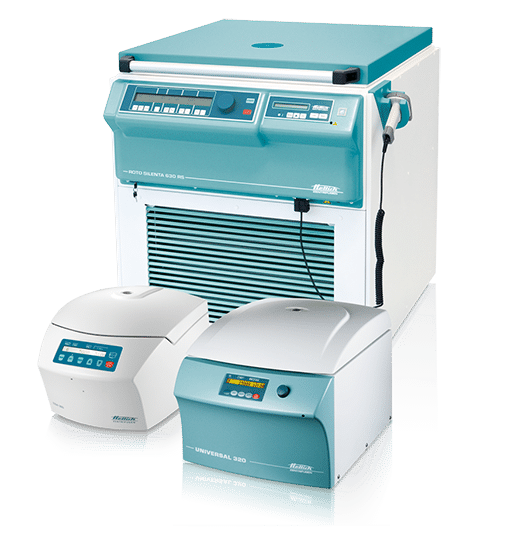
A blood bank centrifuge is an essential little bit of laboratory equipment used to split up blood into its different components for medical testing, transfusion services, and clinical applications. Blood contains several important components, including red blood cells, white blood cells, platelets, and plasma. Each component serves a specific purpose in healthcare, making accurate separation a crucial element of modern blood banking operations.
The centrifugation process uses controlled rotational force to split up blood components according to their density. Through the use of carefully selected speeds and processing times, laboratory professionals can obtain the necessary blood fractions while maintaining their quality and suitability for further use. Hospitals, diagnostic laboratories, blood collection centers, and transfusion facilities be determined by reliable centrifugation systems to guide their daily activities.
As medical technology continues to advance, blood bank centrifuges have become more sophisticated, offering improved temperature control, programmable operating settings, blood bank centrifuge enhanced safety features, and consistent performance. Selecting suitable equipment helps laboratories improve workflow efficiency while maintaining appropriate standards of quality and reliability.
Understanding How a Blood Bank Centrifuge Works
A blood bank centrifuge operates by rotating blood collection bags, tubes, or specialized containers at a controlled speed. During rotation, denser components move toward the outer region of the spinning chamber, while less dense components remain nearer to the center. This difference in density allows blood to be separated into distinct layers.
Like, red blood cells are often located at the end of a centrifuged blood sample because they’re denser than plasma. Plasma occupies the top of layer, while platelets and other cellular components might be collected or processed with respect to the centrifugation method.
The effectiveness of this process depends on several operating factors, including relative centrifugal force, processing duration, temperature, container design, and the characteristics of the blood product. Laboratory personnel must follow validated procedures to attain the intended separation without unnecessarily damaging sensitive blood components.
Unlike ordinary laboratory centrifuges, equipment designed designed for blood banking may accommodate blood bags and provide specialized temperature management. These capabilities are particularly important when preparing blood components for transfusion or subsequent laboratory procedures.
Major Applications in Blood Banking
Blood bank centrifuges support numerous activities throughout the blood collection and processing process. Among their primary applications could be the separation of whole blood into components that can be used independently for different patient needs.
Red blood cell concentrates are commonly prepared for patients who require support for oxygen delivery. Plasma contains proteins and clotting factors that may be needed in specific clinical situations. Platelet products can help manage certain bleeding conditions, particularly when patients have insufficient platelet numbers or impaired platelet function.
Centrifugation can be found in preparing specialized blood products and processing samples for compatibility testing, with respect to the laboratory’s equipment and procedures. Different centrifugation protocols might be necessary for routine sample preparation, component production, and other specialized applications.
The capability to separate blood into multiple products improves the practical value of each donation. In place of using whole blood for each and every transfusion requirement, healthcare facilities can provide particular components according to clinical indications. This approach supports more targeted transfusion practices and can help blood services make better use of available donations.
Important Features to Consider When Selecting Equipment
Choosing an appropriate blood bank centrifuge requires consideration of laboratory requirements, expected workload, available space, and the kinds of blood products being processed.
Temperature control is a significant feature when processing components that want specific thermal conditions. Refrigerated models allow laboratories to keep up controlled processing temperatures according to validated product preparation procedures. Reliable temperature monitoring helps support consistency between processing cycles.
Rotor capacity and compatibility are equally important. Blood collection facilities may require equipment capable of accommodating multiple blood bags, while smaller laboratories may primarily process tubes or smaller containers. The rotor and adapters should be appropriate for the containers used and approved for the intended operating conditions.
Programmable controls allow users to ascertain repeatable processing settings. Depending on the model, these controls may include adjustable speed, time, acceleration, and braking profiles. Reproducible settings can reduce operator variation and simplify routine laboratory work.
Safety mechanisms are another essential consideration. Features such as for example lid interlocks, imbalance detection, overspeed protection, and fault alerts lessen operational risks. A powerful chamber and appropriate containment arrangements are also important when handling biological materials.
Finally, laboratories should evaluate service availability, spare parts, warranty coverage, maintenance requirements, and manufacturer support. Equipment reliability depends not only on its initial specifications but also how effectively it could be maintained throughout its working life.
The Importance of Temperature Management
Temperature management plays a significant role in blood component processing because different components have different storage and handling requirements. Uncontrolled heating or inappropriate processing conditions may affect product quality and the suitability of components because of their intended use.
A refrigerated blood bank centrifuge provides controlled cooling during operation, helping laboratories follow validated procedures for specific blood products. However, the necessary temperature depends on the component, preparation method, and applicable standards. A single temperature setting is not right for every blood processing application.
Laboratory staff should verify temperature performance regularly and make sure that monitoring systems function correctly. Calibration, preventive maintenance, and documented operating procedures help establish confidence in the equipment’s performance.
Temperature control should also be viewed alongside processing speed and duration. These factors work together to influence separation efficiency and component quality, rendering it crucial that you validate the whole centrifugation process as opposed to relying about the same equipment specification.
Maintenance and Operational Best Practices
Regular maintenance helps preserve the performance, safety, and service life of a blood bank centrifuge. Before operation, laboratory personnel should inspect the rotor, adapters, chamber, lid, and containers for visible damage or contamination. Any component showing signs of wear must certanly be assessed based on the manufacturer’s instructions.
Blood bags and tubes should be loaded correctly, with appropriate balancing to minimize vibration and mechanical stress. Operators should never exceed the equipment’s rated capacity or use containers which are incompatible with the rotor. Following a manufacturer’s instructions is needed for safe and reliable operation.
After processing, the centrifuge must certanly be cleaned using approved methods and compatible disinfectants. Harsh chemicals that might damage seals, coatings, or other components must certanly be avoided unless specifically approved by the manufacturer.
Preventive maintenance will include appropriate inspection, calibration, safety checks, and servicing at the recommended intervals. Laboratory staff should also receive training in correct operation, alarm response, cleaning procedures, and documentation.
Keeping accurate maintenance and processing records causes it to be easier to identify recurring problems, monitor equipment performance, and support quality assurance activities.
Improving Laboratory Efficiency and Blood Product Quality
Modern blood bank centrifuges can contribute significantly to laboratory productivity by supporting standardized processing procedures and reducing unnecessary manual work. Programmable cycles help staff reproduce validated settings, while suitable capacity enables laboratories to handle routine workloads more effectively.
Efficient centrifugation also can help increase the consistency of blood component separation. However, the last quality of a blood product depends on the entire processing system, including collection methods, handling procedures, equipment performance, staff competency, and storage conditions.
Laboratories should therefore evaluate centrifuge performance included in a broader quality management program. Routine monitoring, equipment qualification, staff training, and adherence to applicable regulatory requirements all contribute to reliable outcomes.
When selecting new equipment, laboratories must look into both current demands and anticipated growth. A carefully chosen system can support future processing needs while avoiding unnecessary operating costs or excessive capacity.
Conclusion
A blood bank centrifuge is a vital investment for healthcare facilities associated with blood collection, processing, and transfusion services. By separating blood into useful components under controlled conditions, this equipment supports a wide range of clinical and laboratory applications.
Factors such as for example temperature control, rotor compatibility, processing capacity, programmable settings, safety features, and maintenance support should guide equipment selection. Equally important are validated operating procedures, trained personnel, and consistent quality monitoring.
As blood banking technology continues to develop, reliable centrifugation systems will remain central to efficient component preparation and responsible blood resource management. Choosing and maintaining the proper equipment helps laboratories support consistent processing practices and contribute to safe, high-quality patient care.