
The Rise of At-Home Telehealth Care in San Antonio: Cost, Convenience and Quality
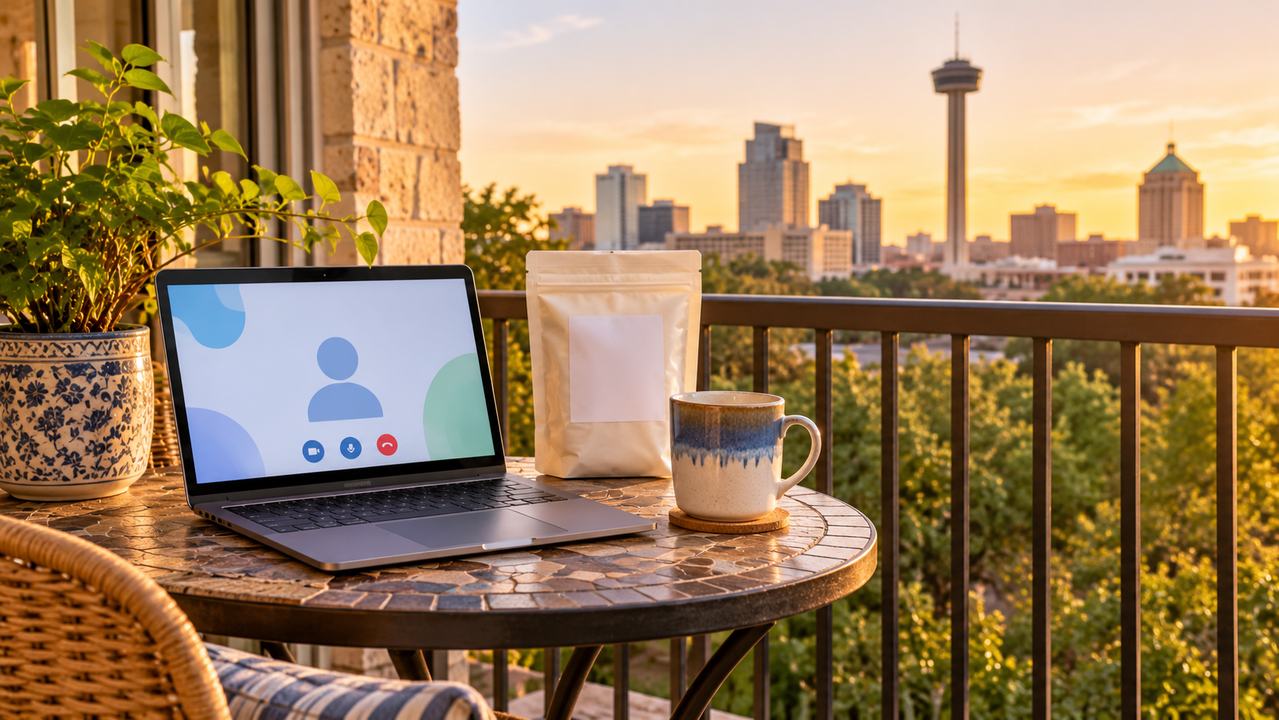
Getting a basic health question answered used to mean a drive, a waiting room, and a half-day off work. Telehealth has changed that equation, and San Antonio patients are noticing. At-home care now covers more than video visits. It can include blood work collected at your kitchen table and results reviewed on a screen. This guide looks at what’s driving the shift, what at-home telehealth really costs, and how to judge quality.
Thryve Wellness Clinic is a telehealth-based membership medicine practice that sends a certified phlebotomist to your home for a blood draw, tests for 300+ biomarkers, and connects you with board-certified providers for a virtual visit. Everything here describes how that kind of model works, so you can compare any option fairly.
Why Telehealth Took Off
Telehealth isn’t a niche anymore. The CDC’s National Center for Health Statistics reported that 37.0 percent of U.S. adults used telemedicine in the past 12 months in 2021. A later NCHS report put the figure at 30.1 percent for 2022. Use has settled since the pandemic peak, but roughly three in ten adults still use it in a given year.
Convenience explains most of that, and the appeal is easy to see once you’ve tried it. Patients also like having results and a provider conversation in the same place, instead of a lab portal on one side and an appointment on the other. For busy adults, a video visit removes the commute. For repeat care, it removes the same trip again and again. San Antonio is a spread-out city, and crossing it on Loop 1604, Loop 410, or I-10 at the wrong hour can cost more time than the appointment itself.
What At-Home Telehealth Actually Includes
The phrase covers several different services, so read carefully.
- Video visits only. You talk to a provider, but any testing happens elsewhere.
- Mail-in kits. You collect a sample yourself and send it to a lab.
- Mobile phlebotomy plus telehealth. A trained phlebotomist collects your blood at home, and a provider reviews results with you by video.
The third model is the most complete. It connects collection and interpretation, so you aren’t left holding a lab report with no one to explain it.
At Home, at a Lab, or at Urgent Care
Where you go depends on what you need. This comparison shows how the options differ for routine lab-based care. It’s a general guide, and costs and policies vary by provider.
| Factor | At home with Thryve | Lab visit | Urgent care |
| Time | Scheduled appointment window at your location | Drive, check-in, and possible queue | Walk-in wait that varies by day |
| Travel | None for the draw | Required | Required |
| Cost | Plans from $119 | Test cost plus any facility fee | Visit charge plus tests |
| Results | About 72 hours | Varies by lab and test | Varies, and some tests are sent out |
| Follow-up | Provider review by video | Depends on who ordered the test | Often limited, with referral to primary care |
| Best for | Planned testing and ongoing care | Standard orders from your own doctor | Same-day problems that need prompt attention |
Urgent care and emergency rooms serve a different purpose. Chest pain, sudden shortness of breath, stroke symptoms, and severe injuries need emergency care, not a video visit.
What Does At-Home Telehealth Cost?
Cost is the question people ask first, and the honest answer is that it depends on what’s included. A mobile draw usually adds a collection or travel fee on top of the cost of the tests themselves. Some services bundle those fees into a plan. Others bill them separately.
When you compare, ask what the quoted price covers: the tests, the collection, the provider visit, or all three. Ask whether insurance is accepted, and which charges, if any, apply beyond the plan. A low headline price that leaves out the visit isn’t a fair comparison with a higher one that includes it.
How to Judge Quality
Quality in telehealth comes down to a few things you can check.
Provider credentials. Look for licensed, board-certified providers, and ask who reviews your results.
Laboratory standards. Samples should go to an accredited laboratory. Thryve lists CLIA certification and COLA accreditation on its site, and you should expect any service to name its lab.
Privacy. Health information should travel through a HIPAA-compliant platform.
Continuity. Ask what happens after your results arrive, and how follow-up works.
Honesty about limits. A good service tells you when you need an in-person exam or a referral.
Who At-Home Telehealth Suits Best
Some people gain more than others from a home-based model.
- Busy professionals and parents who can’t spare a half-day for a lab trip
- People who need repeat testing, where cumulative travel is the real burden
- Anyone with limited mobility, for whom getting to a collection site is difficult
- Patients with needle anxiety, who may feel calmer in a familiar room
- Adults who prefer fewer shared waiting areas
If you fit one of those groups, the convenience may justify exploring it. If you have a complex condition, ask your own doctor whether a home-based service fits your care plan.
Questions to Ask Before You Book
Bring a short list to any provider:
- Who orders my tests, and who reviews the results with me?
- Is my address inside your collection area?
- What does the price include, and what extra costs?
- Which laboratory processes my sample?
- What happens if a draw is unsuccessful?
- How do follow-up visits and retesting work?
Clear, specific answers are a good sign. Vagueness is worth noting before you pay.
Where At-Home Telehealth Falls Short
Telehealth has real limits, and good providers say so. It can’t replace a physical exam when one is needed, and it isn’t built for emergencies. Some conditions require imaging, procedures, or hands-on assessment that a video call can’t provide.
It also isn’t the right tool for everyone. If you’re uncomfortable with technology or lack a private space, in-person care may suit you better. The strongest services complement your existing doctors instead of competing with them.
How Experience Works Day to Day
A typical at-home telehealth encounter runs in four stages. You choose a plan and order your labs from an online dashboard. A certified phlebotomist visits your home, workplace, or another approved location to collect the sample. Your results arrive securely in your dashboard. Then you meet with a provider by video to talk through the results, your symptoms, and your goals.
No outside referral is required to get started, and availability depends on your address, the tests ordered, and current coverage. Always confirm eligibility before you plan around a home visit.
At-Home Care for San Antonio Patients
San Antonio has a deep bench of traditional care, from the Medical Center area to neighborhood clinics in Stone Oak and Alamo Heights. At-home telehealth adds an option for people who want convenience without giving up quality. Thryve serves eligible adults across San Antonio, including areas such as Stone Oak, Alamo Heights, the Medical Center area, Alamo Ranch, Helotes, and the South Side, and mobile collection coverage is address specific. For an overview of telemedicine in San Antonio, including how visits and at-home collection fit together, review the service details before you decide.
The Bottom Line
At-home telehealth works best when it connects testing, interpretation, and follow-up. Compare options on what they include, not just on price. Verify credentials and laboratory standards, confirm that your address is covered, and keep your primary care doctor in the loop.