
How South Florida Humidity Affects Garage Door Parts
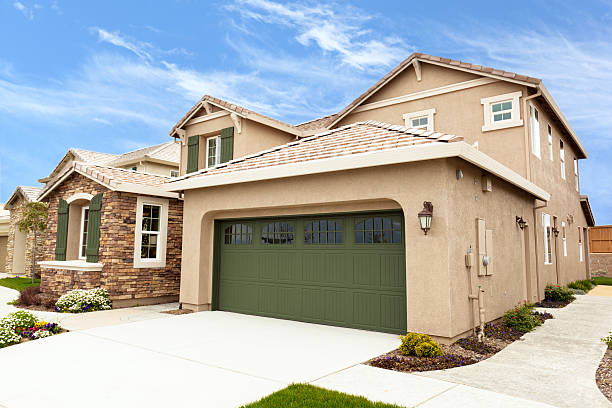
South Florida’s hot weather and high humidity can affect many parts of a garage door. Metal components may develop rust, moving parts can become harder to operate, and moisture can contribute to wear over time. These problems may start small but can lead to noise, poor door movement, or unexpected repairs if they are ignored.
Regular inspection and maintenance can help homeowners spot these issues early. Understanding how humidity affects garage door parts also makes it easier to know when a simple maintenance task is enough and when professional repair may be needed.
Why Humidity Can Be Hard on Garage Doors
Humidity means there is a high amount of moisture in the air. In South Florida, warm temperatures, frequent rain, and humid conditions can expose garage doors and their hardware to moisture for much of the year.
Garage doors contain several metal parts that work together whenever the door opens or closes. These include springs, hinges, rollers, tracks, cables, brackets, and fasteners. When moisture stays on these parts for long periods, it can encourage corrosion, especially if the protective coating is damaged.
Humidity can also affect wooden garage doors, weather seals, and some plastic or rubber components. The exact impact depends on the door’s material, age, condition, and exposure to rain or standing water.
Homeowners cannot control the outdoor humidity, but they can reduce the effects of moisture by keeping the garage door system clean, checking for damage, and arranging repairs when needed.
1. Garage Door Springs Can Develop Rust
Garage door springs carry a large part of the door’s weight. They help the door move smoothly and allow the opener to operate without lifting the full weight on its own.
In humid conditions, moisture can collect on exposed metal springs. Over time, this may lead to rust, particularly when the spring’s protective finish has worn away.
Rust can affect the surface of a spring and may contribute to wear. Springs also experience repeated tension and release every time the garage door moves, so they need to remain in good condition.
Signs of Spring Problems
Homeowners may notice:
- Visible rust on the springs
- A garage door that feels unusually heavy
- Uneven movement while opening or closing
- Loud popping or snapping sounds
- A door that stops moving properly
Rust does not automatically mean a spring is about to break, but it is a reason to have the system checked if there are other signs of wear.
Garage door springs are under high tension and can cause serious injuries if handled incorrectly. Never attempt to tighten, remove, or replace a spring yourself. If you notice damage or suspect a spring problem, contact a trained technician for an inspection. Professional garage door spring repair can help address worn or damaged components before they cause further operating problems.
2. Hinges and Rollers May Become Noisy
Hinges and rollers allow the garage door to move along its tracks. They experience repeated movement throughout the day, making their condition important for smooth and quiet operation.
Humidity can contribute to corrosion on metal hinges and roller components. Dirt and moisture may also build up around moving parts, especially if the garage door is exposed to rain or the garage stays damp.
When these components become worn, dirty, or poorly lubricated, the door may begin making squeaking, grinding, or rattling sounds.
What Homeowners Should Check
Listen to the garage door as it opens and closes. Pay attention to new sounds or changes in how smoothly it moves.
Look for visible rust on hinges, loose hardware, damaged rollers, or signs that the door is shaking while travelling along the tracks. Do not place your hands near moving parts while the door is operating.
Not every noise is caused by humidity. Loose hardware, worn rollers, damaged hinges, and track alignment problems can also cause unusual sounds.
For more information, read this guide to the common causes of loud garage door noises. It explains some of the issues that may cause a garage door to become louder than usual and why it is important to identify the source before attempting a repair.
3. Garage Door Tracks Can Collect Moisture and Debris
Garage door tracks guide the rollers as the door opens and closes. If the tracks become dirty, damaged, or misaligned, the door may not move correctly.
In South Florida, moisture can collect around the garage entrance, particularly after heavy rain or when water enters beneath the door. Dust, leaves, and other debris can mix with moisture and build up along the lower parts of the tracks.
Metal tracks may also develop corrosion if their protective finish becomes damaged and they remain exposed to moisture.
Warning Signs of Track Problems
Watch for the following signs:
- Rollers that appear to move unevenly
- Grinding or scraping sounds
- Visible rust or debris inside the tracks
- A door that shakes or jerks during movement
- Gaps or bends in the track
Keep the tracks clear of loose dirt and debris, but avoid applying grease or lubricant inside them unless the manufacturer specifically recommends it. Excess lubricant can attract dirt and may interfere with roller movement.
If a track is bent, loose, or badly corroded, have it inspected by a garage door technician. Do not attempt to bend a track back into place while the door is under tension.
4. Metal Cables and Brackets May Corrode
Garage door cables help support the door’s movement and work with the spring system. Brackets and fasteners hold important components in place.
Moisture can contribute to rust on these metal parts, particularly near the bottom of the door or in areas exposed to water. Corrosion may be harder to spot when components are located near the sides of the door or behind other hardware.
Damaged cables or loose brackets can affect how safely the garage door operates. A frayed cable, for example, may indicate that the system needs immediate attention.
Signs to Watch For
Look for visible rust, loose brackets, frayed cable strands, or parts that appear bent or out of position. If the door begins hanging unevenly or one side moves differently from the other, stop using it and arrange an inspection.
Do not touch or attempt to adjust cables, brackets connected to the spring system, or other high-tension components. A qualified technician can assess the damage and determine whether parts need cleaning, adjustment, or replacement.
5. Weather Seals Can Become Worn or Brittle
Garage door weather seals help limit the amount of rainwater, dust, insects, and outdoor air entering the garage. Most doors have a bottom seal, and some also have seals around the sides and top.
South Florida’s heat, sunlight, and moisture can gradually wear down rubber or vinyl seals. Some materials may become brittle, crack, shrink, or lose their flexibility over time.
A damaged bottom seal may allow rainwater to enter the garage during heavy storms. It can also leave small gaps where insects and debris can get inside.
How to Check the Seals
Inspect the bottom of the garage door and look for cracks, missing sections, or areas where the seal no longer touches the floor evenly.
Check the side and top seals for gaps or visible damage. If the material has become stiff or split, replacing it may help improve the door’s protection against outdoor conditions.
Also check whether water is entering because the driveway slopes toward the garage or because drainage is poor. Replacing the seal alone may not solve a water-entry problem caused by the surrounding surface.
Choose a replacement seal that fits the door and follows the manufacturer’s instructions. A suitable seal can help keep the garage cleaner and reduce the amount of rainwater that enters during wet weather.
6. Wooden Garage Doors Can React to Moisture
Wooden garage doors can be affected by changes in moisture levels. In humid conditions, wood may absorb moisture and expand. When conditions change, it may shrink again.
Repeated moisture exposure can contribute to swelling, peeling paint, surface damage, or difficulty opening and closing the door. The extent of the problem depends on the type of wood, protective finish, construction, and maintenance history.
Signs of Moisture Damage
Homeowners should look for:
- Peeling or blistering paint
- Swollen door panels
- Cracks in the protective finish
- Soft or damaged wood
- Changes in how the door fits within its frame
A sound protective finish helps limit direct moisture exposure. If paint or sealant is damaged, repair it according to the manufacturer’s recommendations.
However, do not assume every operating problem comes from the wood itself. A swollen door may also place extra strain on the opener or affect the balance of the system. A technician can check the door’s movement and determine whether other components need attention.
7. Garage Door Openers May Face Extra Strain
The garage door opener controls the movement of the door, but it is not designed to compensate for every mechanical problem.
If humidity contributes to rust, worn rollers, or stiff moving parts, the door may require more effort to open and close. This can place additional strain on the opener.
Moisture may also affect electrical components if water reaches areas that are not designed to get wet. This is more likely when a garage has a roof leak, poor drainage, or water entering around the door.
Warning Signs of Opener Problems
Pay attention if the opener begins making unusual sounds, struggles to move the door, stops unexpectedly, or operates inconsistently.
Before assuming the opener is faulty, have the entire door system checked. A damaged spring, misaligned track, or worn roller can create problems that look like opener failure.
Keep the opener and its electrical components dry. If you see water near electrical equipment, avoid touching the affected area and contact a qualified professional.
Never bypass the door’s safety sensors or force the opener to continue operating when the door is stuck. Doing so can create additional damage or a safety risk.
8. Humidity Can Affect Garage Door Maintenance Needs
A garage door in South Florida may need more regular inspection than one in a drier climate. This does not mean every component will fail quickly, but moisture exposure makes it sensible to watch for early signs of wear.
A basic maintenance routine can include:
- Looking for rust on exposed metal parts
- Checking weather seals for cracks or gaps
- Keeping tracks free from loose debris
- Listening for changes in noise during operation
- Checking the garage for signs of water entry
- Looking for loose or damaged hardware from a safe distance
Follow the manufacturer’s guidance for lubrication. Different rollers, hinges, and spring systems may have different maintenance requirements. Use only suitable products on the components specified by the manufacturer.
Avoid spraying lubricant on the tracks, safety sensors, or opener electronics unless the product instructions specifically allow it. If you are unsure which parts need attention, ask a garage door technician.
A professional inspection can also identify wear that may not be obvious during a visual check.
9. Keep Rainwater Away From the Garage Door
Rainwater can increase the amount of moisture around the lower part of the garage door. If water repeatedly collects near the entrance, metal hardware and the bottom seal may experience more exposure.
Check the driveway and surrounding ground after heavy rain. Look for puddles near the garage opening, blocked drains, or water flowing toward the door instead of away from it.
Gutters and downspouts should direct roof water away from the garage foundation. If water enters through the bottom of the door, check the condition of the seal and whether the driveway’s slope or drainage contributes to the problem.
Do not rely on the garage door seal to stop water from a major drainage issue. Correcting the source of water can help protect the door, the garage floor, and stored belongings.
10. When Should You Call a Garage Door Technician?
Some maintenance tasks, such as removing loose debris or inspecting weather seals, can be handled by homeowners. Other issues require professional attention because garage doors contain heavy panels, high-tension springs, and components that can move unexpectedly.
Contact a technician if you notice:
- A broken or visibly damaged spring
- Frayed or loose cables
- A door that hangs unevenly
- Bent or badly corroded tracks
- Sudden changes in door movement
- Grinding, banging, or repeated popping sounds
- An opener that struggles to lift the door
- Damage that continues after basic maintenance
If a garage door appears unsafe, stop operating it until it has been inspected. Do not try to lift a heavy door manually if you suspect a spring or cable failure.
Homeowners in Margate, Florida, can explore garage door repair in Margate when they need help checking damaged parts, addressing operating problems, or arranging repairs.
A technician can inspect the door as a complete system rather than focusing on one part alone. This can help identify whether humidity-related corrosion, normal wear, or another mechanical issue is responsible.
11. How to Help Protect Garage Door Parts From Humidity
Although outdoor humidity cannot be eliminated, a few practical steps can help reduce its effect on garage door components.
Keep the Garage Dry
Fix roof leaks, check drainage, and prevent rainwater from collecting near the door. If the garage stays damp, look for the cause instead of relying only on a dehumidifier or fan.
Maintain Protective Coatings
Check painted and coated metal surfaces for scratches, peeling, or exposed areas. Repairing damaged finishes where appropriate can help reduce direct moisture exposure.
Follow the Recommended Maintenance Schedule
Inspect the door regularly and follow the manufacturer’s instructions for cleaning and lubrication. If the door is used frequently or shows signs of wear, professional checks may be helpful.
Address Small Problems Early
A loose fastener, damaged seal, or unusual noise may seem minor, but it can signal a problem that needs attention. Finding the cause early may help prevent more extensive damage.
Avoid Unapproved Repairs
Using the wrong lubricant, applying paint to moving parts, or adjusting high-tension components can create new problems. If you are unsure how to maintain a part, ask a qualified technician.
Final Thoughts
South Florida’s humidity can contribute to rust, worn seals, noisy rollers, and other garage door problems. Heat, rain, poor drainage, and regular use can also affect the condition of the door and its hardware.
Homeowners can help protect their garage doors by checking for corrosion, keeping the tracks clear, maintaining weather seals, and watching for changes in the door’s movement. It is also important to address water entry and follow the manufacturer’s maintenance recommendations.
If a spring, cable, track, or other major component appears damaged, leave the repair to a trained technician. Regular inspections and timely repairs can help keep the garage door operating safely and reliably through South Florida’s hot and humid weather.