
Tummy Tuck Surgery Dubai: How Are Surgical Goals Established During Consultation?
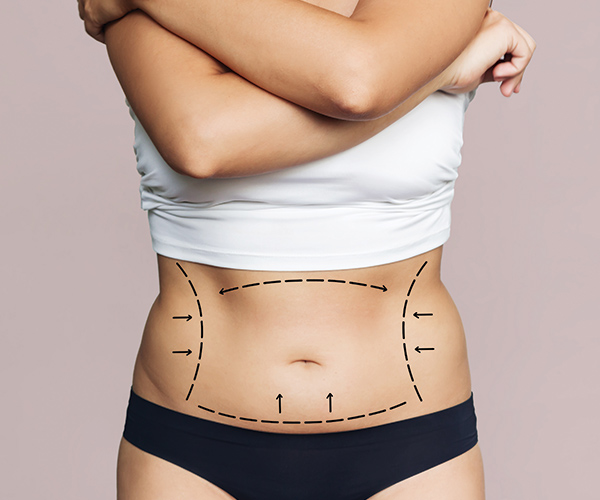
A tummy tuck consultation is an important stage in developing a personalised surgical plan. Before treatment, the surgeon needs to understand what the patient wants to change, which areas of the abdomen are causing concern, and how those goals relate to the patient’s individual anatomy.
For patients considering Tummy Tuck Surgery Dubai, establishing clear surgical goals involves more than discussing the desired amount of abdominal tightening. The consultation may include an assessment of excess skin, abdominal tissue, muscle structure, body proportions, previous changes to the abdomen, and the position of the navel. These findings are then discussed alongside the patient’s expectations and priorities.
A well-structured consultation gives the patient an opportunity to describe their preferred abdominal contour and ask questions about the proposed approach. At the same time, the surgeon can explain which aspects of the abdomen may be addressed through surgery and how the treatment plan can be tailored to individual anatomy.
Why Surgical Goals Are Discussed Before a Tummy Tuck
Every patient approaches abdominoplasty with different concerns. One person may be primarily concerned about loose skin following significant weight loss, while another may want to address abdominal changes after pregnancy. Some patients may focus on the lower abdomen, while others are concerned with the entire abdominal contour.
Because these concerns vary, the surgical plan cannot be based on a standard template. The consultation allows the surgeon to identify the patient’s main objectives and compare them with the findings from the physical examination.
The goal-setting process creates a clearer understanding of what the procedure is intended to accomplish.
Understanding the Patient’s Main Concerns
The consultation commonly begins with a conversation about the areas the patient wants to change. Patients may describe concerns about loose skin, abdominal fullness, changes in body contour, or the appearance of the abdominal area after weight changes.
The surgeon may ask when the changes became noticeable and whether they have remained consistent over time. Previous pregnancy, weight fluctuations, and earlier abdominal procedures may also be discussed.
Understanding the patient’s history gives the surgeon context for the current appearance of the abdomen and helps identify the most important treatment objectives.
Assessing the Abdominal Skin
The condition and distribution of abdominal skin can influence surgical planning. During the examination, the surgeon may assess how much excess skin is present and where it is concentrated.
The lower abdomen may contain a greater amount of loose skin than the upper abdomen, or the excess may extend across a larger portion of the abdominal area.
The surgeon evaluates the skin while considering the patient’s goals. This helps determine which areas may need to be addressed as part of the proposed treatment.
Evaluating Abdominal Tissue
The surgeon may also examine the tissue beneath the skin. The amount and distribution of subcutaneous fat can influence the appearance of the abdomen and the overall contour.
Understanding the relationship between skin and underlying tissue helps the surgeon distinguish the different factors contributing to the patient’s concerns.
If a patient is interested in additional contouring, these options can be discussed during the consultation. The focus remains on creating a treatment plan that corresponds with the patient’s anatomy and stated goals.
Assessing the Abdominal Wall
The abdominal wall is another important consideration when establishing surgical goals. Pregnancy and significant changes in body size can affect the appearance and structure of the abdominal wall.
During the consultation, the surgeon may examine the abdominal wall and assess its condition. This information can help determine whether the surgical plan needs to address deeper structural considerations in addition to excess skin.
Understanding the abdominal wall also helps the surgeon explain the scope of the proposed abdominoplasty.
Discussing the Desired Abdominal Contour
Patients may have different ideas about how they want their abdomen to look after surgery. Some may want a smoother, flatter appearance, while others may focus on reducing a specific area of loose skin.
The surgeon can discuss these preferences in relation to the patient’s natural body shape. The abdomen does not exist independently from the waist, hips, chest, and overall torso, so the desired contour should be considered within the context of the entire body.
This conversation helps establish realistic and individualised surgical goals.
Considering Body Proportions
Body proportions can influence how the abdomen appears. The relationship between the waist, hips, abdomen, and upper body may be considered during the consultation.
The surgeon may evaluate the abdomen from the front and side to understand how the patient’s existing proportions contribute to their concerns.
Rather than focusing solely on removing tissue, the surgical plan can be developed around the relationship between different areas of the body.
Discussing the Position of the Navel
The belly button is an important anatomical reference in tummy tuck planning. The surgeon may examine its position, shape, and relationship with the surrounding abdominal skin.
Depending on the extent of the planned abdominoplasty, the approach to the navel may form part of the surgical discussion.
Patients can ask how the proposed procedure relates to the navel and how this anatomical landmark fits into the overall treatment plan.
Establishing the Treatment Area
Once the patient’s concerns and anatomy have been evaluated, the surgeon can discuss the areas that may be included in the procedure.
For some patients, the focus may be primarily on the lower abdomen. Others may require a broader approach that addresses a larger portion of the abdominal area.
The treatment area is determined according to the patient’s anatomy and goals rather than simply selecting a procedure name.
Discussing Previous Pregnancy and Weight Changes
Pregnancy and significant weight changes can alter abdominal skin, tissue distribution, and body contour. The surgeon may ask about these changes when establishing the patient’s surgical objectives.
Patients should provide information about previous pregnancies and substantial changes in body weight. This history can help the surgeon understand how the abdomen has changed over time.
It can also help explain why certain areas currently appear different from their previous shape.
Considering Previous Abdominal Procedures
Previous surgery can influence the way the abdomen is assessed. Existing scars, changes in tissue, and previous surgical approaches may all be relevant to planning.
Patients should tell the surgeon about previous abdominal or pelvic procedures during consultation. The surgeon can then take those details into consideration when discussing the proposed treatment.
A complete surgical history supports a more informed assessment of the abdomen.
Discussing Lifestyle and Daily Activities
Surgical goals can also be connected to everyday life. Patients may have particular preferences related to clothing, exercise, work, or other activities.
For example, a patient may be primarily concerned about how excess abdominal skin affects clothing fit, while another may focus on the appearance of the abdomen during physical activity.
Understanding these practical concerns can help the surgeon better appreciate what the patient hopes to achieve.
How Patients Can Communicate Their Expectations
Clear communication is an important part of goal setting. Patients should describe the changes they would like to see rather than relying only on the name of the procedure.
Reference photographs can sometimes help patients communicate their preferred aesthetic direction. These images should be treated as general references because every person’s anatomy is different.
Patients can also explain which aspects of their abdomen they are most concerned about and which characteristics they would like to preserve.
Why Measurements Are Part of Goal Setting
Measurements can provide objective information about the patient’s anatomy. Depending on the consultation, the surgeon may assess abdominal dimensions, skin excess, waist proportions, and distances between relevant anatomical landmarks.
These measurements can support the physical examination and help the surgeon understand the scale and distribution of the patient’s concerns.
The measurements are considered together with the patient’s preferences rather than being used as the only basis for establishing surgical goals.
How Surgical Goals Become an Individualised Plan
After discussing the patient’s objectives and completing the examination, the surgeon can combine the information into an individualised treatment plan.
This may involve determining:
- Which abdominal areas are the primary focus
- How much excess skin is present
- The distribution of abdominal tissue
- The condition of the abdominal wall
- The position of the navel
- The relationship between the abdomen and waist
- The patient’s preferred contour
- Relevant lifestyle considerations
- Previous abdominal procedures
- The overall scope of the proposed surgery
This process helps ensure that the surgical plan is connected to the patient’s specific needs.
Understanding Abdominoplasty Surgery Dubai
Patients searching for Abdominoplasty Surgery Dubai may encounter different approaches to abdominal contouring. The appropriate approach depends on the location and amount of excess skin, abdominal structure, body proportions, and individual goals.
A consultation allows the surgeon to explain which type of abdominoplasty may correspond with the patient’s anatomy.
The term Abdominoplasty Dubai therefore refers to a treatment that must be individually planned rather than a single identical procedure for every patient.
What Patients Should Ask During Consultation
Patients can use the consultation to clarify the proposed surgical goals and understand how they relate to their anatomy.
Useful questions may include:
- Which areas of my abdomen are being assessed?
- What is contributing to my current abdominal contour?
- How does my abdominal wall affect the treatment plan?
- How will my previous pregnancy or weight changes be considered?
- Which areas are the main focus of the proposed surgery?
- How does the plan relate to my body proportions?
- What role does the navel play in planning?
- What type of abdominoplasty is being considered?
- How will my personal goals be incorporated into the treatment plan?
These questions can help patients participate actively in the consultation process.
Understanding What “Best Tummy Tuck Dubai” Means for Individual Planning
Patients may search for Best Tummy Tuck Dubai when researching available treatment options. However, selecting a tummy tuck approach is ultimately dependent on the patient’s individual anatomy and surgical goals.
During consultation, the surgeon evaluates the abdomen and explains which treatment approach may be appropriate for the patient’s particular concerns.
A detailed assessment helps ensure that the discussion is focused on the patient’s actual anatomical requirements rather than a generic treatment description.
Preparing for a Tummy Tuck Consultation
Patients can prepare by identifying their main abdominal concerns and considering how they would like their overall contour to change.
It is useful to prepare information about previous pregnancies, significant weight changes, previous abdominal procedures, and relevant medical history.
Patients may also bring photographs that illustrate their general aesthetic preferences and prepare questions about the proposed procedure, treatment areas, recovery planning, and expected outcome.
Conclusion
Establishing surgical goals during a Tummy Tuck Surgery Dubai consultation involves combining the patient’s personal objectives with a detailed assessment of abdominal anatomy. The surgeon may evaluate excess skin, tissue distribution, abdominal wall structure, navel position, body proportions, previous changes, and the relationship between the abdomen and surrounding areas.
Clear communication is essential because every patient has different priorities. By explaining the areas they want to change and the type of abdominal contour they prefer, patients can help the surgeon understand their expectations.
For those considering Abdominoplasty Surgery Dubai, a personalised consultation provides an opportunity to understand the proposed treatment approach and how it relates to individual anatomy. Patients researching Best Tummy Tuck Dubai and Abdominoplasty Dubai can use this consultation to ask detailed questions and establish clear, personalised surgical goals.
FAQs
How are surgical goals established during a tummy tuck consultation?
Surgical goals are established by discussing the patient’s concerns and desired abdominal contour while assessing the skin, underlying tissue, abdominal wall, navel position, body proportions, and relevant medical and surgical history.
Why is consultation important before tummy tuck surgery?
Consultation allows the surgeon to understand the patient’s expectations and compare them with their individual anatomy. This information helps create a personalised surgical plan.
What does the surgeon assess during a tummy tuck consultation?
The surgeon may assess excess skin, tissue distribution, abdominal wall structure, skin quality, body proportions, navel position, existing scars, and previous changes to the abdomen.
Does pregnancy affect tummy tuck planning?
Previous pregnancy can affect abdominal skin, tissue, and the abdominal wall. The surgeon may discuss pregnancy history as part of the assessment and goal-setting process.
Does weight loss influence surgical goals?
Significant weight loss can change the amount of excess skin and the overall abdominal contour. The surgeon considers the patient’s weight history when establishing treatment objectives.
Can I explain exactly how I want my abdomen to look?
Yes. Patients should clearly communicate their preferred changes and the areas they are most concerned about. Reference photographs may also help explain general aesthetic preferences.
Are body proportions considered during tummy tuck planning?
Yes. The surgeon may consider the relationship between the abdomen, waist, hips, and surrounding body structures when discussing the desired contour.
Is the abdominal wall examined before surgery?
Yes. The abdominal wall may be assessed to understand its structure and determine how it relates to the patient’s abdominal concerns and proposed treatment.
Why is the belly button considered during tummy tuck planning?
The navel is an important anatomical landmark. Its position and relationship to the surrounding abdominal skin can influence how the procedure is planned.
Can previous abdominal surgery affect the consultation?
Yes. Previous abdominal procedures and existing scars may be relevant to treatment planning. Patients should provide the surgeon with a complete surgical history.
What is discussed when establishing the treatment area?
The surgeon discusses which areas contain the primary concerns, how much excess skin is present, the patient’s desired contour, and how the selected treatment approach corresponds with their anatomy.
What should I bring to a tummy tuck consultation?
Patients should be prepared to discuss their medical and surgical history, pregnancy and weight changes, previous abdominal procedures, current concerns, desired changes, and questions about Tummy Tuck Surgery Dubai.
What does Abdominoplasty Surgery Dubai involve in terms of planning?
The planning process involves assessing the patient’s abdominal anatomy and determining which areas and surgical techniques correspond with their individual goals. The exact approach varies between patients.
How is Abdominoplasty Dubai tailored to the patient?
The surgeon considers excess skin, tissue distribution, abdominal wall structure, body proportions, navel position, previous changes, and the patient’s desired abdominal contour when developing an individual plan.
How should I understand the term Best Tummy Tuck Dubai?
The appropriate tummy tuck approach depends on individual anatomy and treatment goals. A consultation allows the surgeon to assess the abdomen and discuss the approach that corresponds with the patient’s specific requirements.
Why are clear surgical goals important?
Clear goals help the patient and surgeon develop a shared understanding of the desired treatment. They also provide a framework for discussing the surgical approach and the areas that will be addressed.