
Skin Surgery in UK: What Happens During the Initial Assessment?
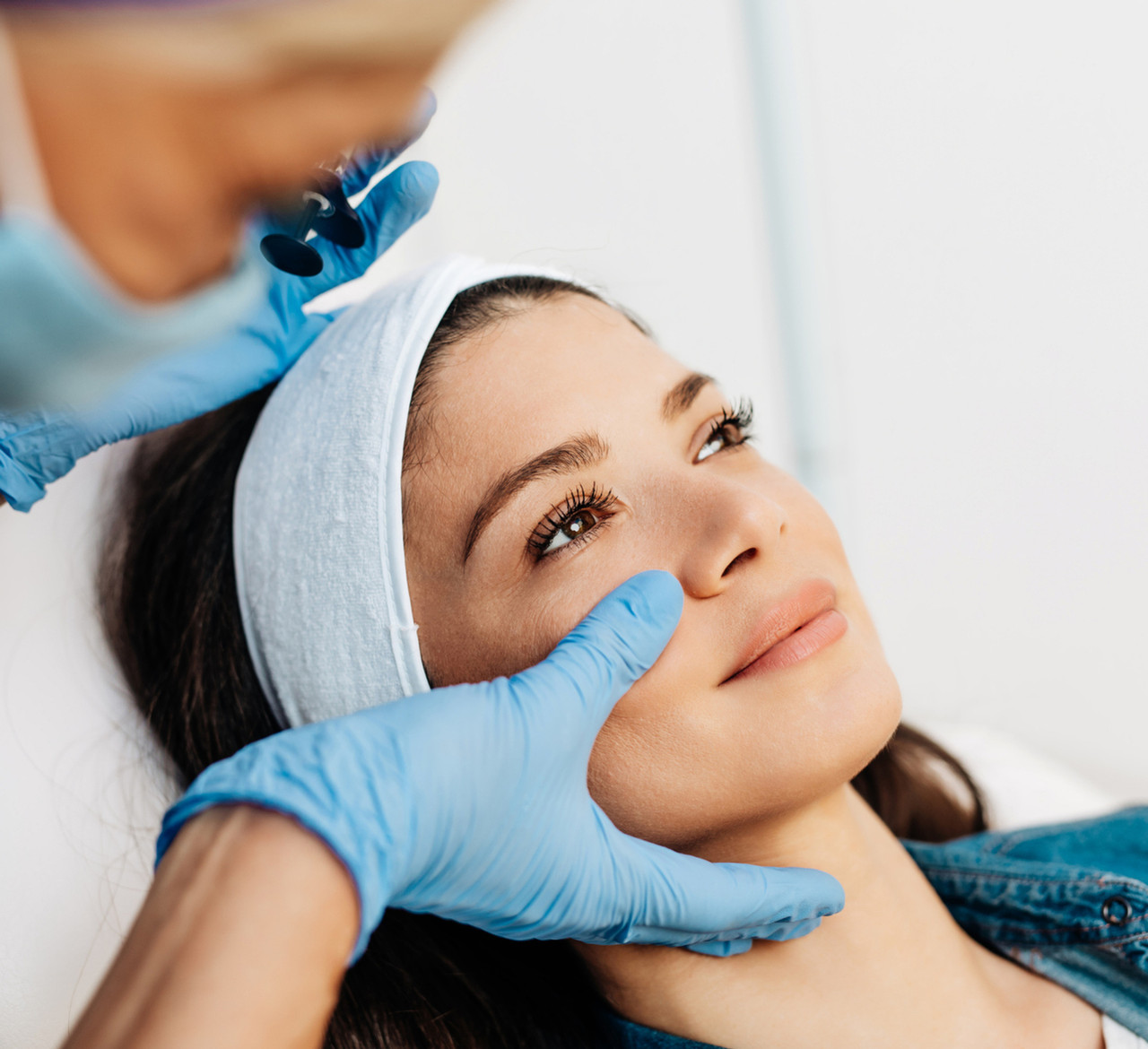
Choosing to have a skin procedure often begins with an initial assessment. This appointment gives the patient and clinician an opportunity to discuss the skin concern, understand its characteristics, review relevant medical information and determine what type of treatment may be appropriate. A careful assessment also helps establish clear expectations before any procedure is planned.
For patients considering Skin Surgery in UK, understanding what happens during the first appointment can make the process easier and more organised. The assessment is generally focused on the individual’s concerns, the appearance and location of the skin problem, previous medical history and the available treatment approach.
At Well Life Clinic, an assessment can provide an opportunity to ask questions and receive information tailored to the individual’s circumstances. This article explains what patients may expect during an initial skin surgery assessment and the types of information that may be discussed.
Why Is an Initial Skin Surgery Assessment Important?
An initial assessment is an important part of planning skin surgery because every skin concern is different. A lump, mole, skin tag, scar or other lesion may have different characteristics and may require a different approach.
During an appointment at a Skin Surgery Clinic In UK, the clinician can examine the area of concern and gather relevant information before discussing possible treatment options. The assessment is not simply about looking at the skin. It can also involve understanding when the concern first appeared, whether it has changed and whether the patient has previously received treatment.
This personalised approach allows the clinician to develop a clearer understanding of the patient’s needs. It also gives patients an opportunity to understand what the next stages may involve.
What Happens When the Appointment Begins?
The initial consultation usually starts with a conversation about the reason for the appointment. The patient may be asked to describe what has prompted them to seek assessment and what they would like to achieve.
For example, a patient may be concerned about the appearance of a skin tag, mole, lump or scar. Another patient may have noticed a change in an existing skin lesion and want it assessed.
The clinician may ask questions about how long the skin concern has been present and whether its appearance has changed over time. Details such as changes in size, shape, colour or texture may be relevant to the assessment.
Patients should feel comfortable explaining their concerns openly. Even seemingly minor details can help the clinician understand the situation more completely.
How Is the Skin Concern Examined?
A physical examination is an important part of the initial assessment. The clinician will examine the area of concern and consider characteristics such as its location, size, shape, colour and general appearance.
The surrounding skin may also be assessed to provide additional context. Depending on the concern, the clinician may need to examine the area from different angles or ask the patient to position themselves in a way that allows clearer assessment.
The examination is generally focused specifically on the concern identified by the patient. The clinician may then explain what has been observed and discuss whether further assessment or a particular procedure may be appropriate.
What Medical History May Be Discussed?
Medical history can be an important part of an initial skin surgery consultation. Patients may be asked about previous medical conditions, previous procedures and any relevant treatments they are currently receiving.
The clinician may also ask about previous skin procedures or treatments involving the same area. Providing accurate information can help create a complete picture of the patient’s circumstances.
Patients may wish to prepare a list of current medications or relevant medical information before attending their appointment. This can make the consultation more efficient and ensure important details are available for discussion.
Will Previous Skin Procedures Be Discussed?
Yes, previous procedures or treatments may form part of the conversation. This can be particularly relevant when a patient has previously had a lesion removed, undergone scar treatment or received another procedure in the same area.
The clinician may ask when the previous treatment took place and how the area has changed since then. Previous treatment information can help provide useful background when considering the next stage of care.
If a patient has documentation from an earlier procedure, they may wish to bring it to the appointment when appropriate.
How Are Patient Expectations Discussed?
A consultation is also an opportunity to discuss what the patient hopes to achieve from treatment. Patients may have concerns about appearance, comfort, function or a combination of factors.
A Private Skin Surgeon In UK can discuss the patient’s expectations and explain what the proposed treatment is intended to address. This conversation helps ensure that the patient understands the purpose of the procedure and what can reasonably be expected from the treatment plan.
It is helpful for patients to describe their priorities clearly. For example, someone may primarily want to address a visible skin concern, while another patient may be more interested in improving the appearance of an existing scar.
What Questions Can Patients Ask?
Patients should use the initial consultation as an opportunity to ask questions. Understanding the proposed treatment and the reason it has been suggested can help patients make informed decisions about their care.
Questions may cover the nature of the skin concern, the proposed procedure, preparation requirements, aftercare and follow-up arrangements.
Patients may also ask how the treatment is planned, what happens during the appointment and whether additional assessment is required before proceeding.
Writing down questions before the appointment can be useful, particularly if there are several concerns that the patient wants to discuss.
How Is the Treatment Approach Determined?
The appropriate treatment approach depends on the individual skin concern and the findings of the assessment. There is no single procedure that is suitable for every type of skin problem.
After examining the area and reviewing the patient’s relevant information, the clinician can explain the available approach. This may include discussing whether a particular procedure is appropriate or whether further assessment is needed.
The consultation therefore acts as a planning stage. Rather than making assumptions based only on the appearance of the skin concern, the clinician can consider the wider context before discussing treatment.
What Information Should Patients Bring?
Patients can prepare for an initial assessment by gathering relevant information beforehand. This may include a list of current medications, details of previous procedures and information about any medical conditions that may be relevant.
It can also be useful to note when the skin concern first appeared and whether it has changed over time.
If the patient has previously consulted another healthcare professional about the same concern, any relevant documentation may also be helpful.
Good preparation does not need to be complicated. Having the key information readily available can make the consultation more productive.
Is the Initial Assessment an Opportunity to Discuss Follow-Up?
Yes. Follow-up can be discussed as part of the overall treatment plan. The clinician may explain what happens after a procedure and whether a review appointment is expected.
The appropriate follow-up schedule depends on the type of treatment and the individual circumstances. Patients can ask about when they may need to return and what information they will receive regarding ongoing care.
Understanding the follow-up process in advance can help patients plan their appointments and know what to expect after treatment.
Why Choose a Private Skin Surgery Consultation?
A private consultation provides a dedicated opportunity to discuss an individual skin concern with a qualified clinician. For patients considering Skin Surgery in UK, having time to explain their concerns and ask questions can be an important part of the decision-making process.
A private setting can also allow the consultation to focus specifically on the patient’s concerns, medical history and treatment objectives. The clinician can then explain the assessment findings and discuss appropriate next steps.
At Well Life Clinic, patients can use the consultation to understand their options and receive information relevant to their individual circumstances.
What Can Patients Expect After the Assessment?
Following the initial assessment, patients should have a clearer understanding of their skin concern and the potential next steps. Depending on the findings, the clinician may recommend a particular treatment approach, further evaluation or another appropriate course of action.
The patient can also use this stage to consider the information provided and ask any additional questions before proceeding.
The consultation is therefore not only an examination. It is a two-way discussion in which the patient and clinician can establish a clear understanding of the concern and the proposed approach.
How Can Patients Prepare for Their Initial Assessment?
A little preparation can help patients make the most of their appointment. Before attending, patients may want to:
- Write down the main reason for seeking treatment.
- Note when the skin concern first appeared.
- Record any noticeable changes over time.
- Prepare information about previous treatments or procedures.
- Bring details of current medications where relevant.
- Prepare questions about the proposed treatment.
- Explain their desired outcome clearly.
Being open and accurate during the consultation allows the clinician to consider the information alongside the physical examination.
Conclusion
An initial assessment is an important first step for anyone considering Skin Surgery in UK. The appointment allows the clinician to understand the patient’s concerns, examine the affected area, review relevant medical history and discuss possible treatment approaches.
At a Skin Surgery Clinic In UK, the consultation can also provide patients with an opportunity to ask questions and understand what may happen during treatment and follow-up. Discussing expectations openly can help create a clear and personalised plan.
For those considering treatment with a Private Skin Surgeon In UK, preparing relevant medical information and making a list of questions can help ensure that the consultation is informative and focused. A thorough initial assessment provides the foundation for making informed decisions about the next stage of care.
FAQs
What happens during an initial skin surgery assessment?
The appointment generally involves discussing the patient’s concerns, reviewing relevant medical history and examining the affected area. The clinician can then explain the findings and discuss appropriate next steps.
Why is medical history important during a skin surgery consultation?
Medical history provides useful background about the patient’s overall circumstances, previous treatments and current medications. This information can help the clinician plan an appropriate approach.
Can I ask questions during my initial consultation?
Yes. Patients can ask questions about the skin concern, proposed treatment, preparation, aftercare and follow-up. Preparing questions in advance can help ensure all important topics are discussed.
Should I bring information about previous skin treatments?
If relevant, yes. Details of previous procedures or treatments involving the same area can provide useful background for the clinician during the assessment.
Will the clinician examine the skin concern during the first appointment?
A physical examination is generally an important part of the initial assessment. The clinician may examine the size, shape, colour, location and general appearance of the area.
Can I discuss my treatment expectations during the assessment?
Yes. Discussing your goals and concerns allows the clinician to understand what you hope to achieve and explain the treatment approach in relation to your individual circumstances.
What should I bring to a skin surgery consultation?
Patients may bring relevant medical information, details of current medications, information about previous treatments and a list of questions they would like to discuss.
Is a follow-up appointment discussed during the initial assessment?
Follow-up arrangements can be discussed during the consultation. The timing and nature of follow-up depend on the proposed treatment and individual circumstances.
How do I prepare for a private skin surgery consultation?
You can prepare by noting when the skin concern began, recording any changes, gathering relevant medical information and writing down questions about the proposed treatment and follow-up.
Why choose a private skin surgeon for a skin assessment?
A private consultation provides an opportunity to discuss an individual concern in a dedicated clinical appointment. The clinician can assess the area, review relevant information and explain suitable next steps based on the assessment.